




 Resources
A Look at Ocean Tech in B.C.
Key Points
What makes British Columbia a global ocean technology leader in 2026?
British Columbia (B.C.) is advancing ocean technology through innovations in marine environmental monitoring, autonomous vessels and ocean intelligence systems that support a growing blue economy.
- B.C. is home to more than 1,000 marine companies and a marine sector that generates approximately $7.2 billion in annual economic output.
- Barnacle Systems are advancing ocean intelligence and monitoring technologies that support marine safety, vessel operations and data-driven decision-making.
- Ocean Networks Canada operates world-leading cabled, mobile and land-based observatories across the Pacific, Atlantic, Arctic coasts of Canada and the Southern ocean to enable critical action on climate change, marine safety, scientific discovery, national security and economic development.
- Open Ocean Robotics and MarineLabs are using advanced technology to improve ocean monitoring, maritime safety and climate resilience.
B.C. has established itself as one of the world’s leading ocean technology hubs. With more than 26,000 kilometres of coastline and over 1,000 marine companies operating across the province, B.C. has become a centre for marine innovation, ocean science and environmental technology. The marine sector generates approximately $7.2 billion in annual economic output and supports roughly 34,000 jobs, helping drive economic growth while advancing sustainable ocean solutions.
Released in November 2025, the Province’s Look West economic strategy leverages B.C. strengths in ocean technologies and dual-use innovations to grow the blue economy and create new opportunities for sector growth. Companies and organizations such as Barnacle Systems, Open Ocean Robotics, MarineLabs and Ocean Networks Canada are helping to position the province at the forefront of ocean innovation with marine sensor technologies to improve ocean monitoring, support climate resilience and to protect marine ecosystems.
Barnacle Systems
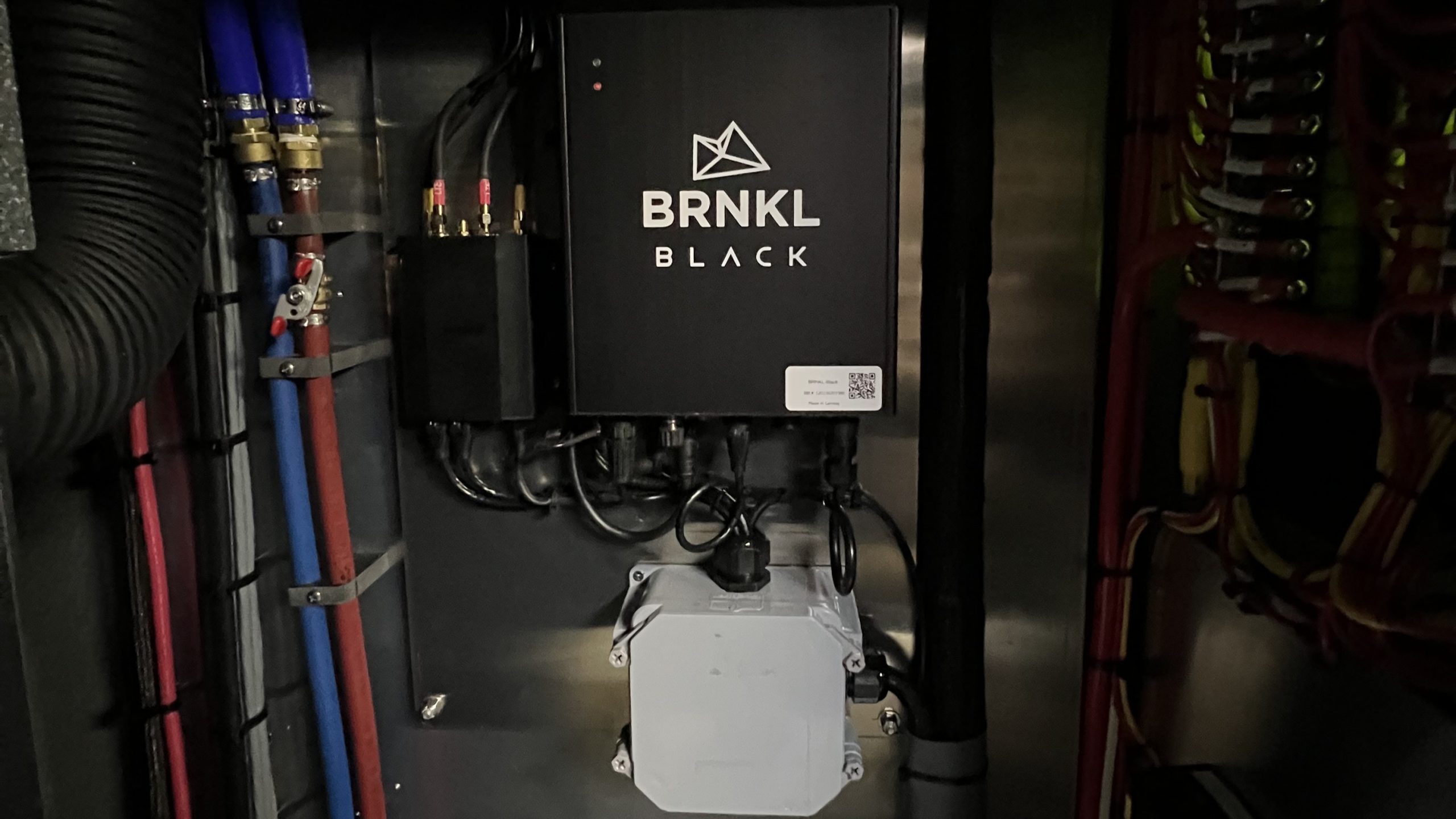
Founded in Victoria, B.C., Barnacle Systems develops advanced marine monitoring, surveillance and vessel intelligence technologies that help recreational, commercial, government and defence operators monitor vessel performance, security and onboard operations in real time.
The company’s flagship BRNKL platform integrates sensors, video systems and vessel data into a single monitoring solution that enables users to track vessel location, receive customized alerts and analyze critical operational information from virtually anywhere. The technology is deployed on vessels in more than 40 countries and supports applications ranging from recreational boating to mission-critical government and industrial operations.
The company was founded by engineer Brandon Wright after his sailboat broke anchor and drifted ashore without warning in 2017. The experience highlighted a lack of modern remote-monitoring solutions for vessel owners and inspired the development of a smarter marine monitoring platform. What began as a solution for recreational boaters has since evolved into a scalable technology platform serving commercial, enforcement and defence organizations worldwide.
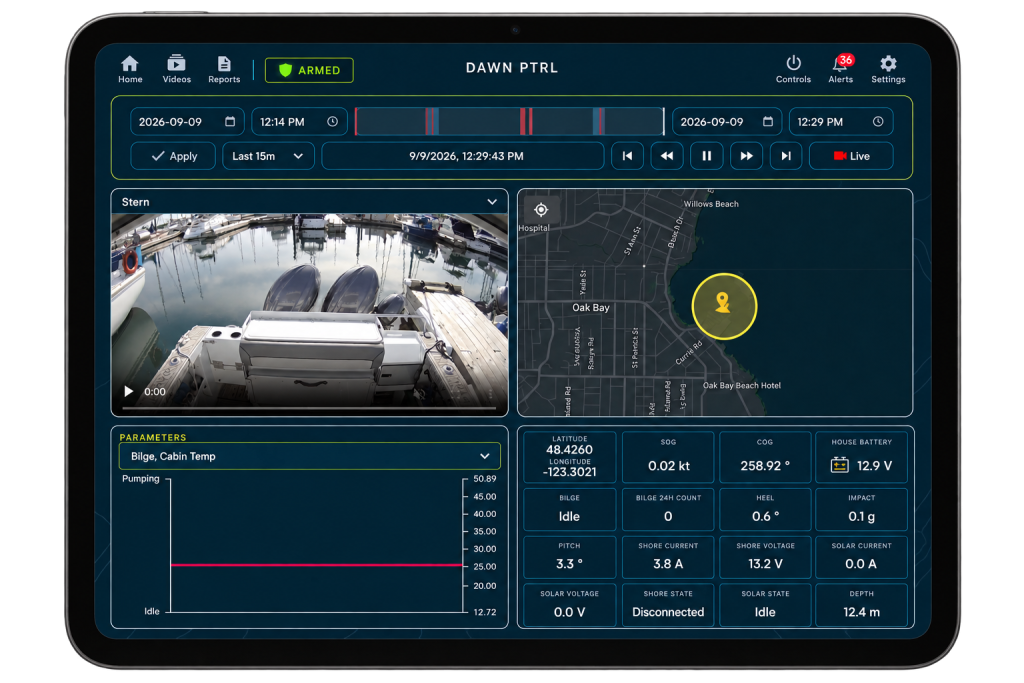
Barnacle Systems continues to expand the role of digital intelligence in the marine sector through products that combine remote monitoring, onboard data logging, video surveillance and predictive maintenance capabilities. They were recently specified as an approved technology platform for a NATO Human Factors study involving Special Forces and Search and Rescue teams from 15 allied nations. Additionally, they have begun deploying their BRNKL Black military equipment on unmanned surface vessels with international navies, helping support fleet readiness through condition-based and AI-predictive maintenance insights.
By helping operators improve safety, operational awareness and asset protection, the company is contributing to the modernization of marine operations from its base in British Columbia.
Open Ocean Robotics
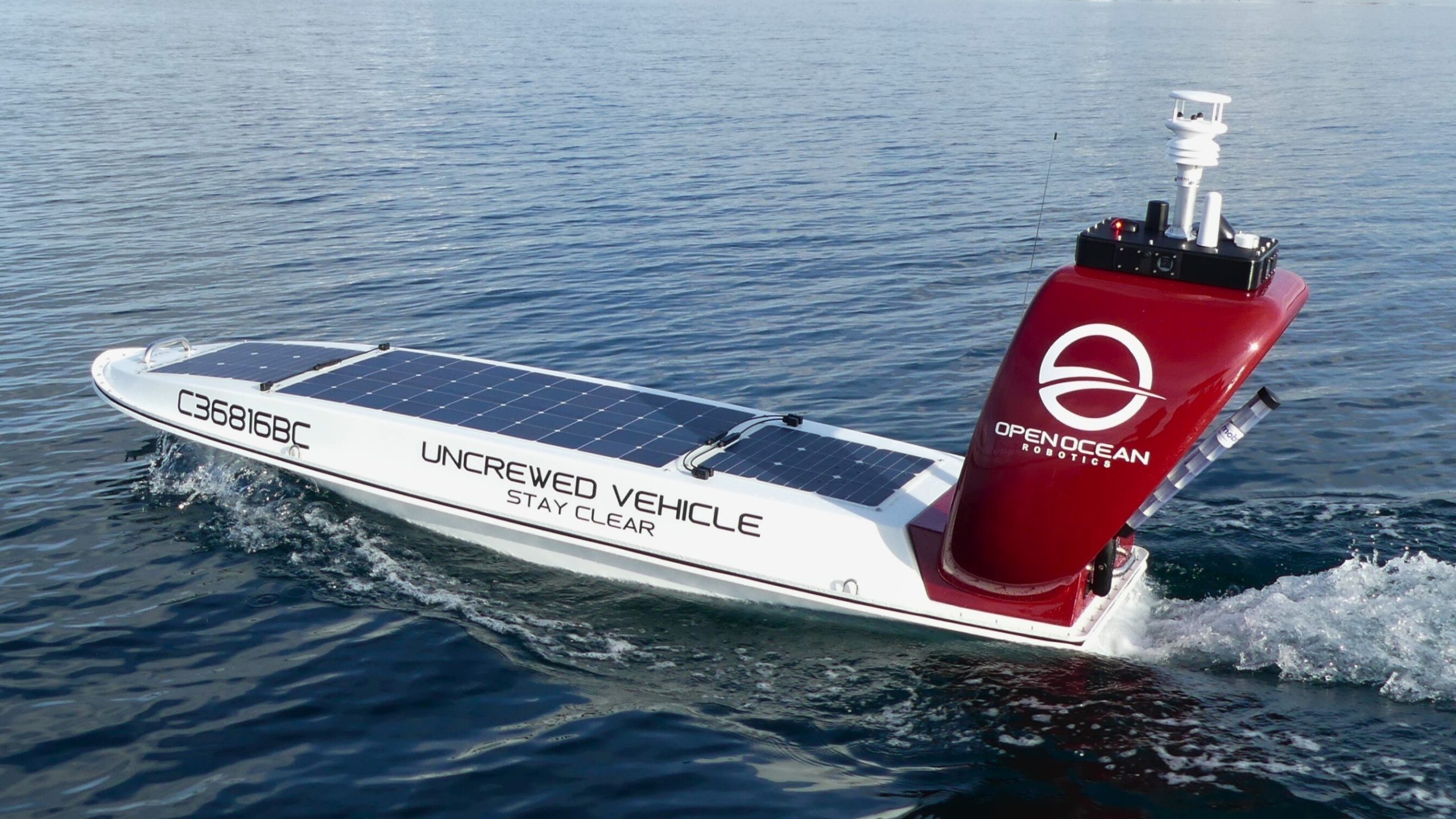 Open Ocean Robotics’ DataXplorer uncrewed surface vehicle (USV)
Open Ocean Robotics is helping transform the way ocean data is collected. Based in Victoria, B.C., the company designs and manufactures DataXplorer™, a solar-powered uncrewed surface vehicle (USV) capable of operating for weeks at a time while gathering real-time information ranging from oceanographic data to maritime surveillance.
DataXplorer™ USVs are equipped with various sensors, cameras and communication systems that support applications such as marine mammal monitoring, oceanographic research, maritime security, coastal surveillance and the detection of illegal fishing activities. The USVs operate without producing greenhouse gas emissions and can provide data from remote locations where traditional monitoring methods may be costly or present risk to personnel.
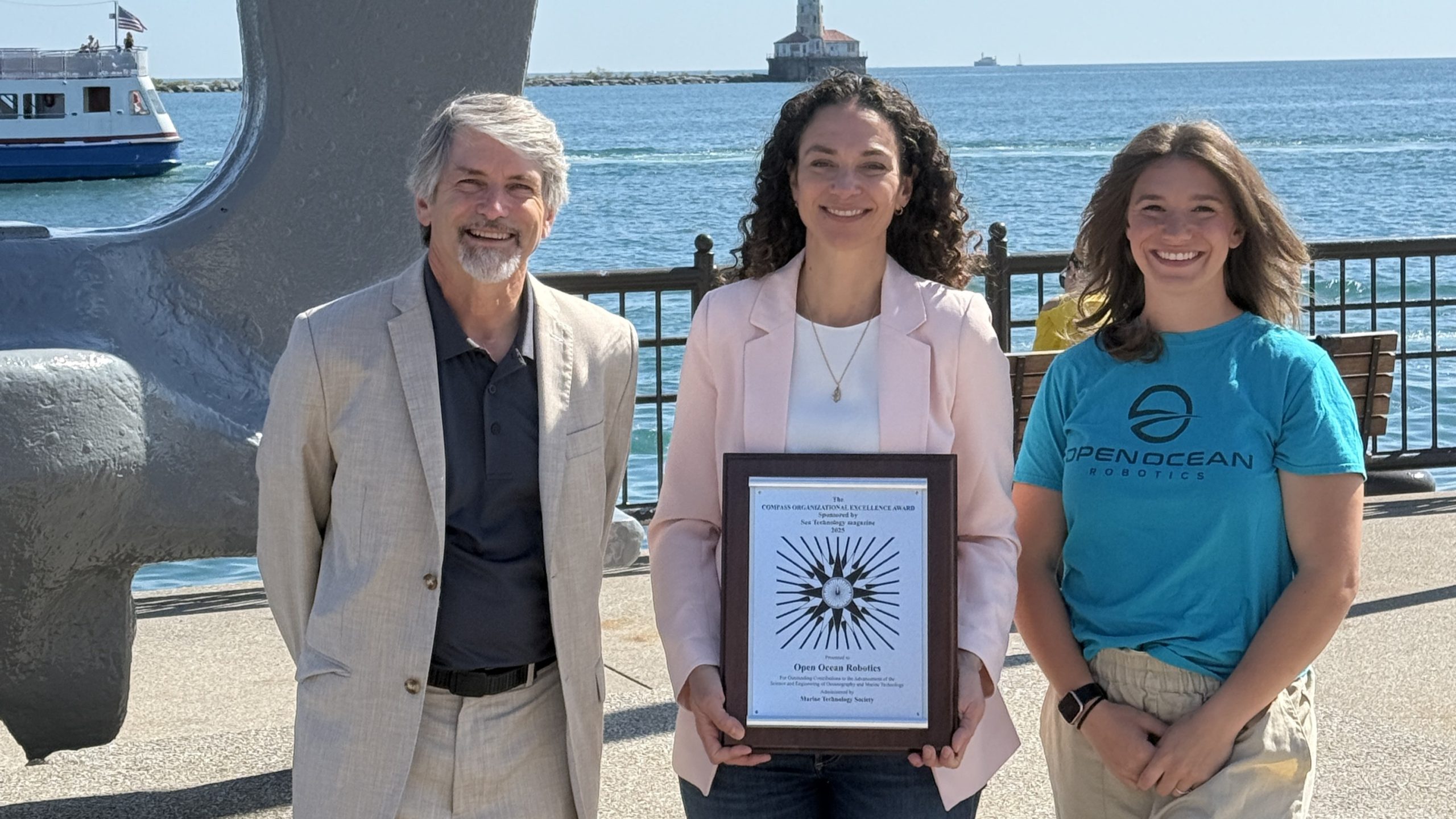
The company’s technology has attracted attention across the industry. At the end of 2025, Open Ocean Robotics received the Compass Organizational Excellence Award from the Marine Technology Society, recognizing outstanding contributions to the advancement of marine science and technology. The company also led a $3.8M project to advance ocean monitoring in Canada, supported by Canada’s Ocean Supercluster in partnership with Canadian companies across the country.
As governments and organizations seek more efficient and sustainable ways to understand and protect marine environments, autonomous technologies such as those developed by Open Ocean Robotics are expected to play an increasingly important role.
MarineLabs
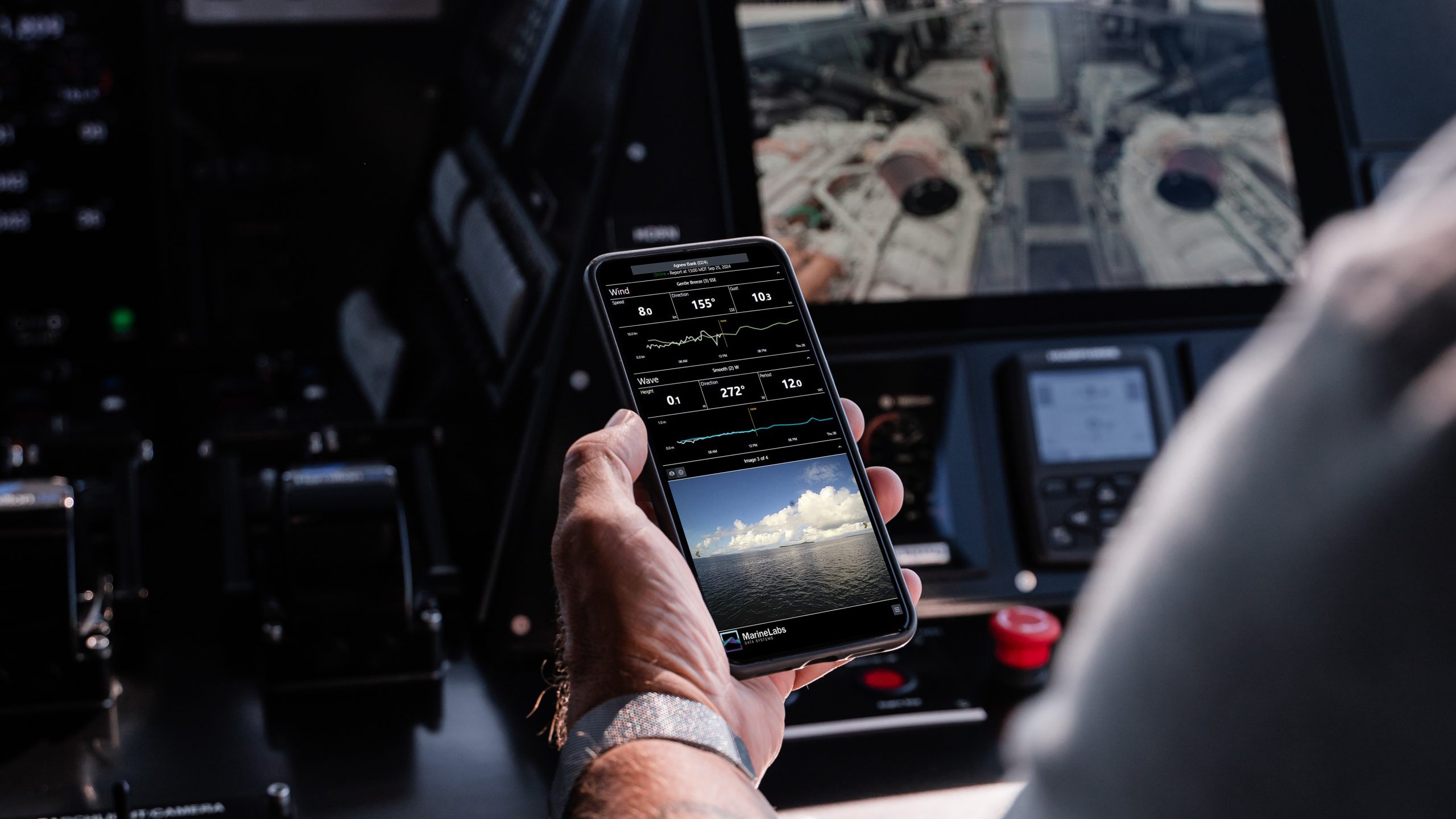
Victoria-based MarineLabs is helping improve maritime safety through advanced weather intelligence and coastal monitoring technology. The company supports weather-critical operational decisions for ports, pilots and maritime operators with real-time weather data and hyper-local 10-day forecasting powered by a growing network of rugged sensor nodes.
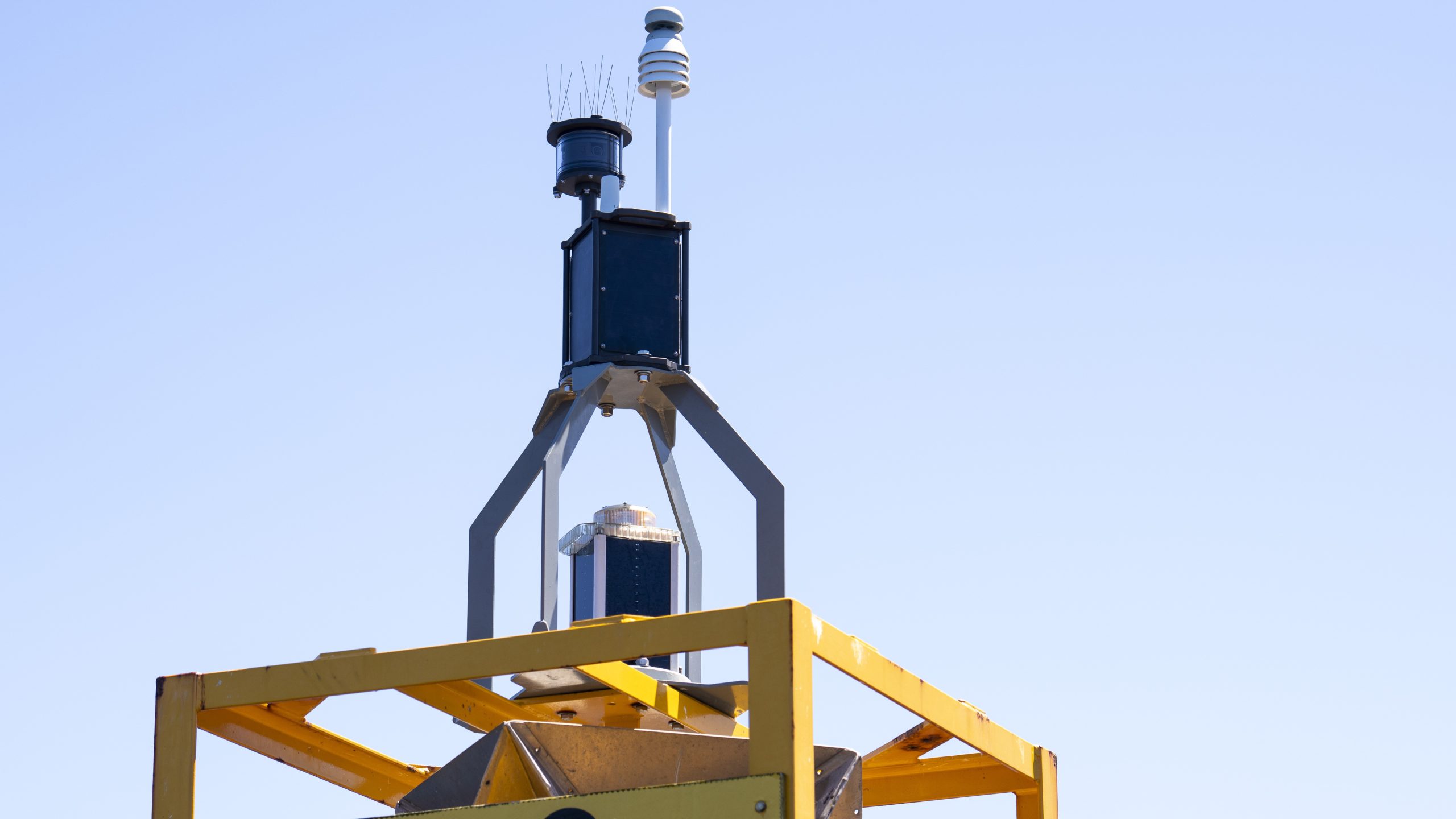
Its flagship product, CoastAware, combines site-specific observations with tactical forecasts trained on local conditions, providing maritime operators with a more accurate picture of the weather conditions affecting their operations. Customizable dashboards and alerts help teams anticipate when operational thresholds may be crossed, while BuoyCam provides 360-degree real-time coastal imagery for additional visual context, including visibility and fog.
MarineLabs helps users improve safety, enhance operational efficiency and build resilience to increasingly volatile weather conditions.
The company’s growth reflects the increasing demand for high-quality marine data. In 2024, MarineLabs secured a $4.5 million seed investment led by BDC Capital with participation from Seaspan Shipyards. The funding was described as the largest seed round in Canadian ocean technology history at the time and will support further expansion of the company’s maritime weather intelligence solutions.
As climate change increases the need for accurate coastal forecasting and monitoring, technologies such as CoastAware are becoming an important part of the marine industry’s decision-making toolkit.
Ocean Networks Canada
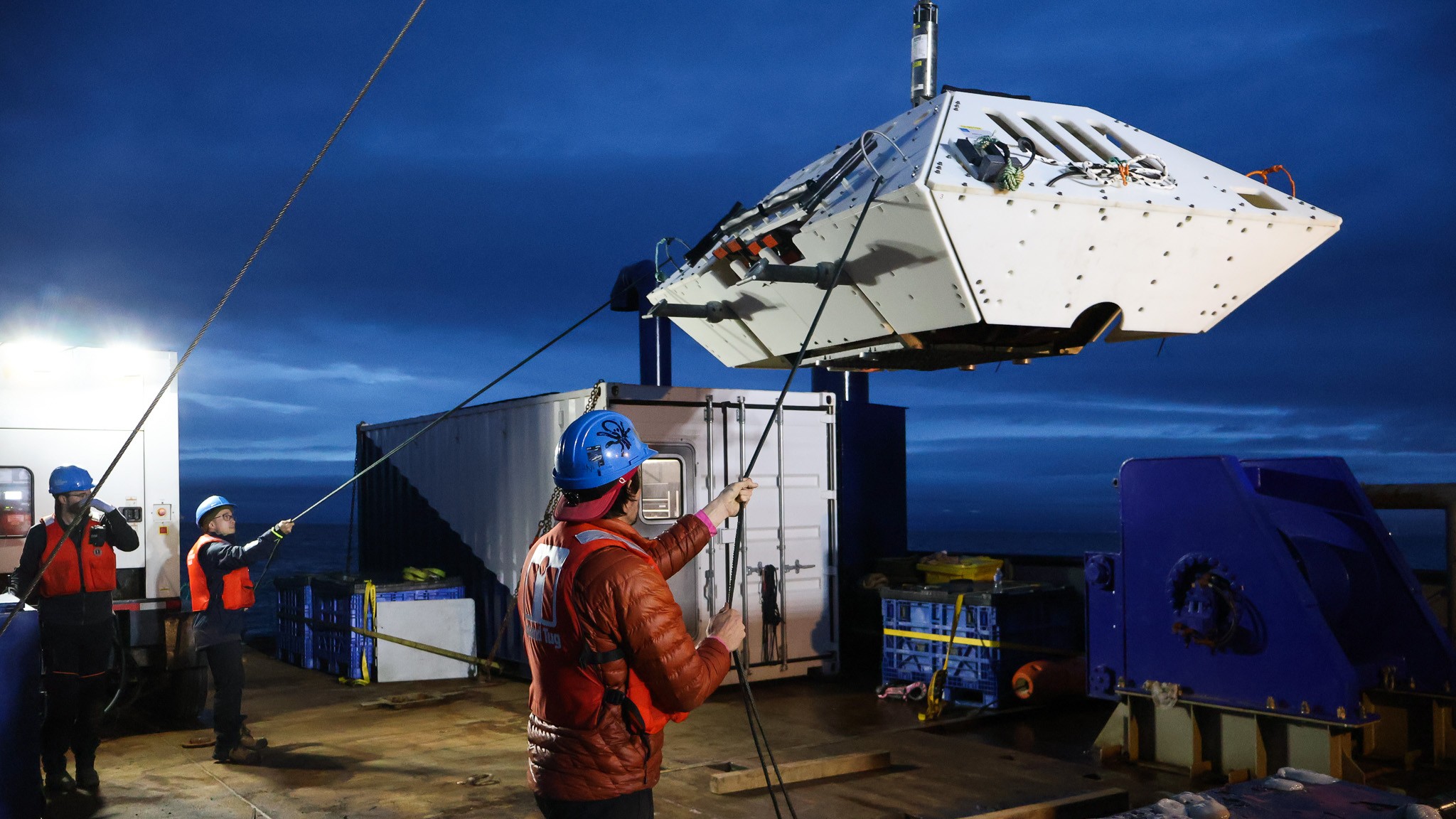
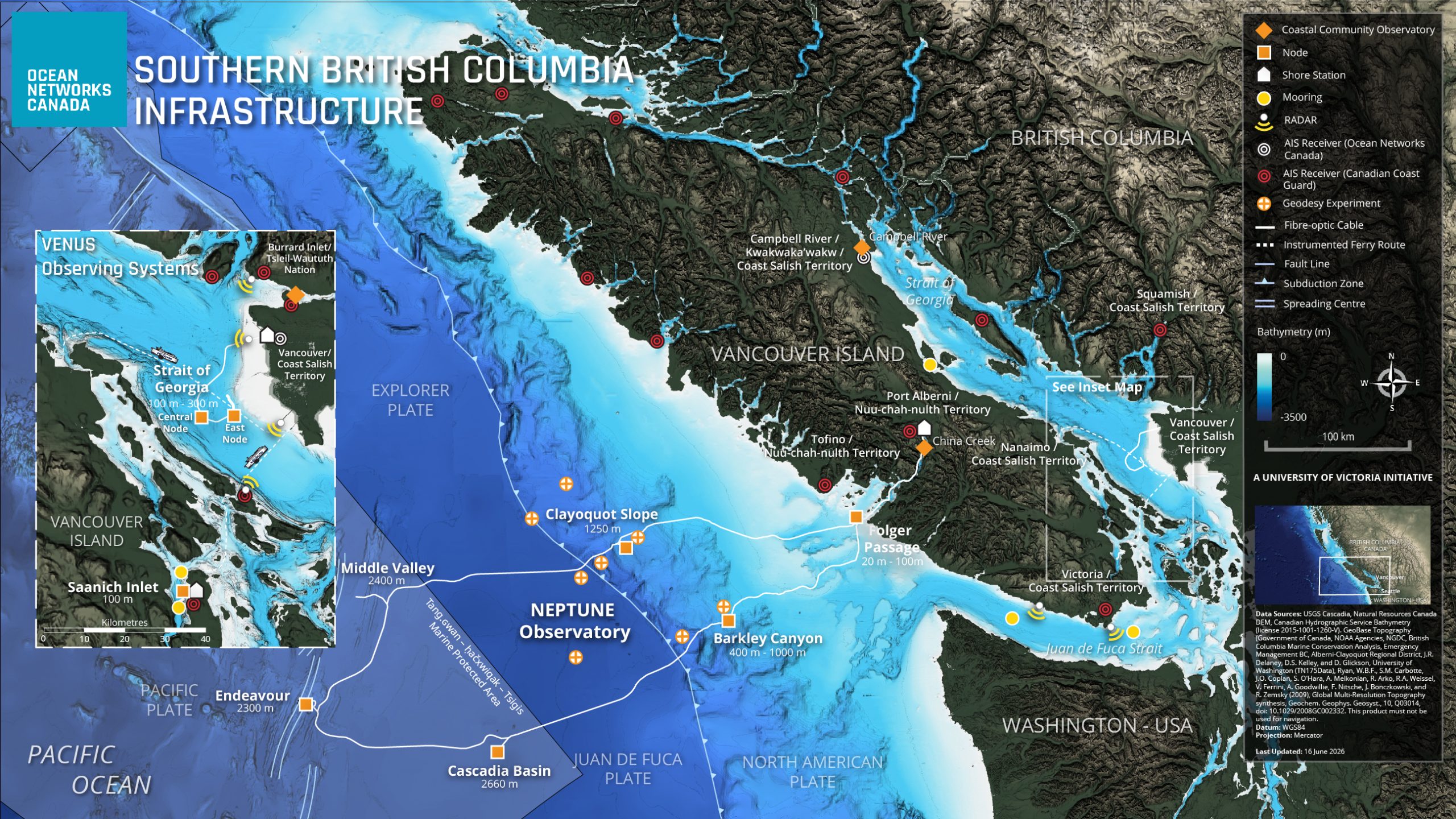
Ocean Networks Canada (ONC), an initiative of the University of Victoria and one of Canada’s Major Research Facilities, operates one of the world’s leading ocean observatory systems across the Pacific, Atlantic and polar regions. The organization’s network of advanced ocean-monitoring infrastructure supplies continuous power and Internet connectivity to thousands of instruments, cameras and sensors to provide real-time data from coastal and deep-ocean environments to help scientists, industry and policy makers better understand the changing ocean.
Among ONC’s most significant assets are the NEPTUNE and VENUS observatories. NEPTUNE utilizes 850-kilometres of fibre-optic cable on the seafloor off Vancouver Island providing continuous power and connectivity to scientific instruments, cameras and hydrophones that collect real-time ocean data through ONC’s data management system—Oceans 3.0. ONC’s openly accessible data is used by scientists, governments, educators, Indigenous communities and industry partners around the world.
The organization supports research related to climate change, ocean health, marine ecosystems, natural hazards and coastal resilience. For example, ONC’s real-time seismic sensor data, captured by onshore and offshore sensors can provide additional warning time for most earthquakes and is available to be integrated with government organizations that issue public alerts in Canada.
By enabling continuous real-time ocean observation and large-scale data collection, Ocean Networks Canada plays a critical role in advancing ocean intelligence in addition to public and marine safety, scientific research, climate mitigation and coastal resilience, as well as accelerate ocean technology research and development.
The Future of B.C.’s Ocean Tech Sector
B.C.’s ocean technology sector continues to evolve as organizations develop new solutions for environmental monitoring, maritime safety and sustainable ocean management. From vessel intelligence systems, autonomous vessels and coastal weather forecasting to world-leading ocean observatories, B.C. is building a reputation as a global centre for ocean innovation.
As investment, research and collaboration continue to grow, the province is well positioned to help shape the future of the blue economy while supporting healthier oceans and more resilient coastal communities.
Interested in learning more about opportunities in B.C.’s marine and ocean technology sector? Connect with Trade and Invest BC to explore investment, expansion and partnership opportunities in one of North America’s leading blue economy hubs. Stay up to date on the latest industry news and success stories by following Trade and Invest BC on LinkedIn, X, and Bluesky.
Related News


We Can Help
Trade and Invest BC helps facilitate foreign direct investment and has Trade and Investment Representatives in markets around the world. Contact the representative nearest you for support in investing in British Columbia.