

Rich Natural Resources
What makes British Columbia’s (B.C.) energy and resource sectors attractive to international markets?
B.C. combines abundant natural resources with advanced technologies to drive sustainable economic growth. B.C. leverages natural resources to drive global supply chains while prioritizing environmental responsibility.
- Sustainable Forestry & Agriculture: B.C. is globally recognized for eco-friendly forestry practices and diverse agricultural production, thanks to its vast forests and fertile lands.
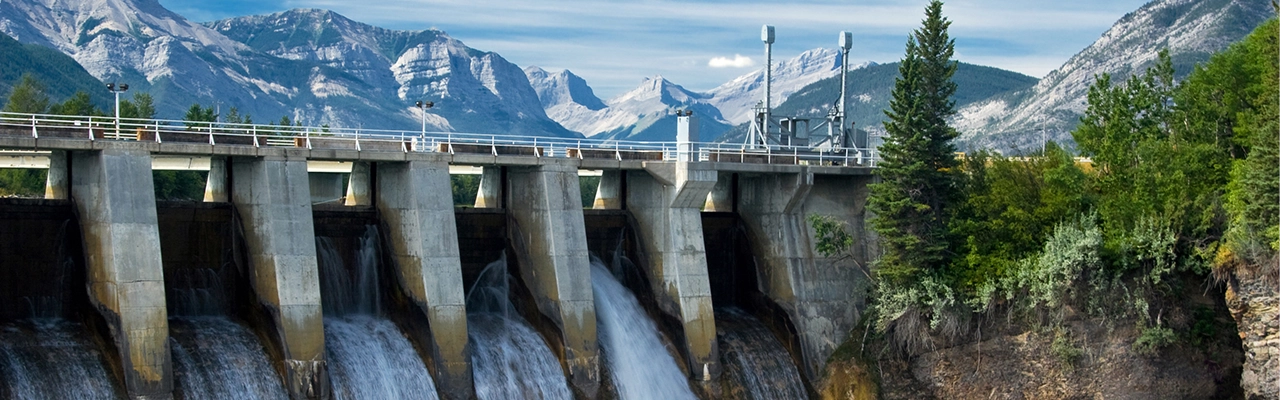
- Clean Energy Leadership: Hydroelectric power from major river systems provides low-cost renewable energy, reducing environmental impact and supporting industrial growth.
- Natural Gas & Critical Minerals: With one of the world’s largest natural gas reserves and significant deposits of copper, gold and other critical minerals, B.C. is positioned as a leader in responsible resource development and global energy transition.
Where Canada’s Natural Resources Meet Next-Generation Technology
British Columbia’s (B.C.) beautiful landscape help drive the economy and provide new opportunities. B.C.’s rich natural resources fuel everything from forestry and agriculture to mining and natural gas, while utilizing sustainable practices and cutting-edge technologies.
Vast Forests
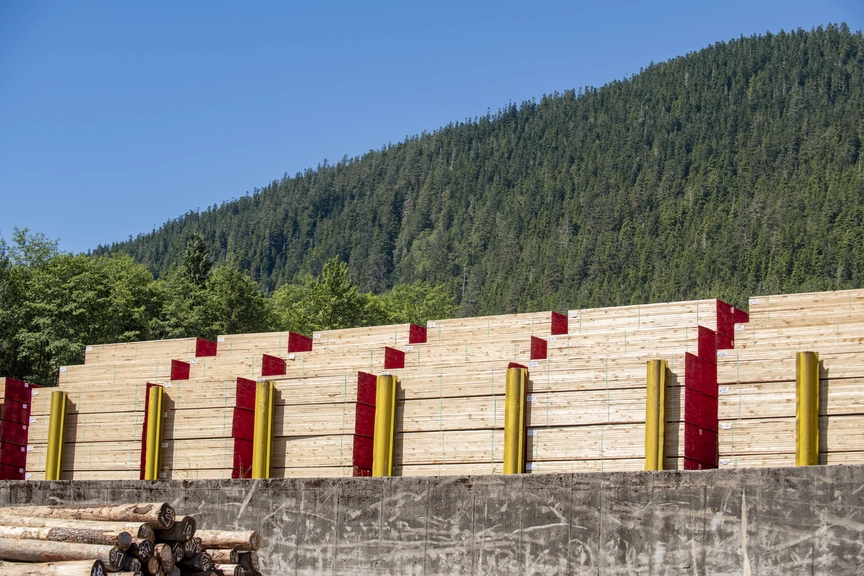
Vast forested areas, primarily located along the west coast and in the central interior, cover many millions of hectares. B.C. is internationally recognized for its sustainable forestry practices and high-quality wood products, with softwood lumber being one of its major exports.
Rich Agricultural Lands
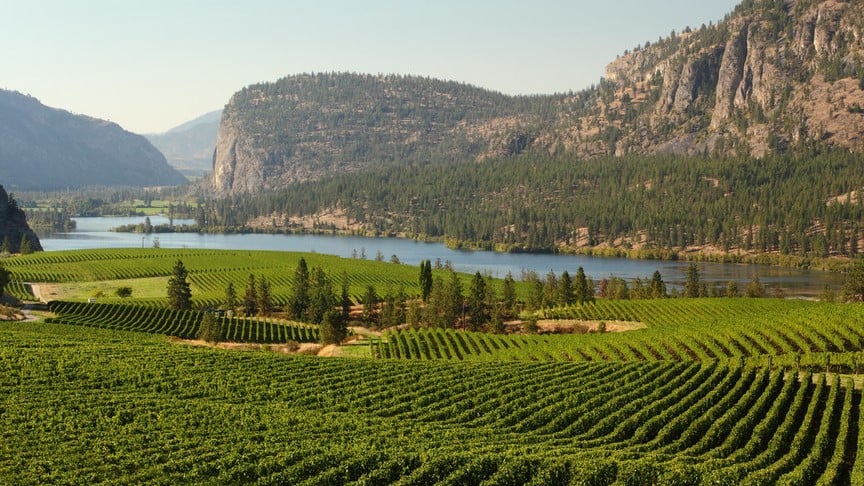
Fertile agricultural land is concentrated in the southwest, interior valleys, and northern regions near the Peace River. These areas support a wide range of orchards, farms, and vineyards. Thanks to B.C.’s varied terrain and temperate climate, the province’s agriculture, seafood, and food processing industries produce a broader mix of products than many other provinces.
Hydro Electric Power
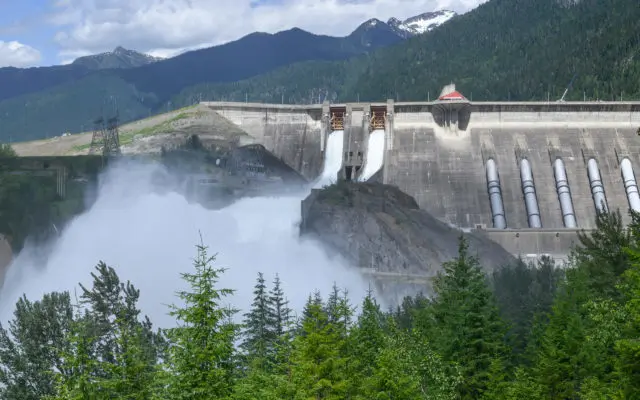
Hydroelectric power plays a central role in B.C.’s clean energy landscape. Dams on the Peace and Columbia rivers generate clean electricity, with the Site C project being fully operational as of August 2025. This reliable and low-cost hydroelectric power helps businesses reduce both operational costs and environmental impact.
Abundant Natural Gas
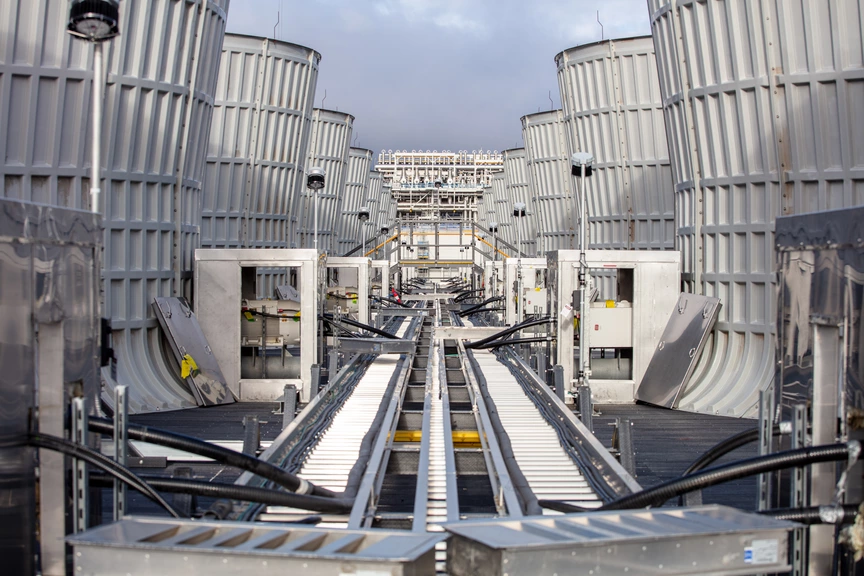
B.C. possesses vast reserves of natural gas and is committed to developing one of the world’s most responsible and forward-thinking natural gas industries. The Montney Basin in Northeastern B.C. is among the largest natural gas deposits in the world. The province is working with industry partners to meet climate goals by investing in the electrification of upstream oil and gas operations. Liquefied natural gas facilities on the west coast enable efficient export to Asian markets by sea.
Critical Minerals
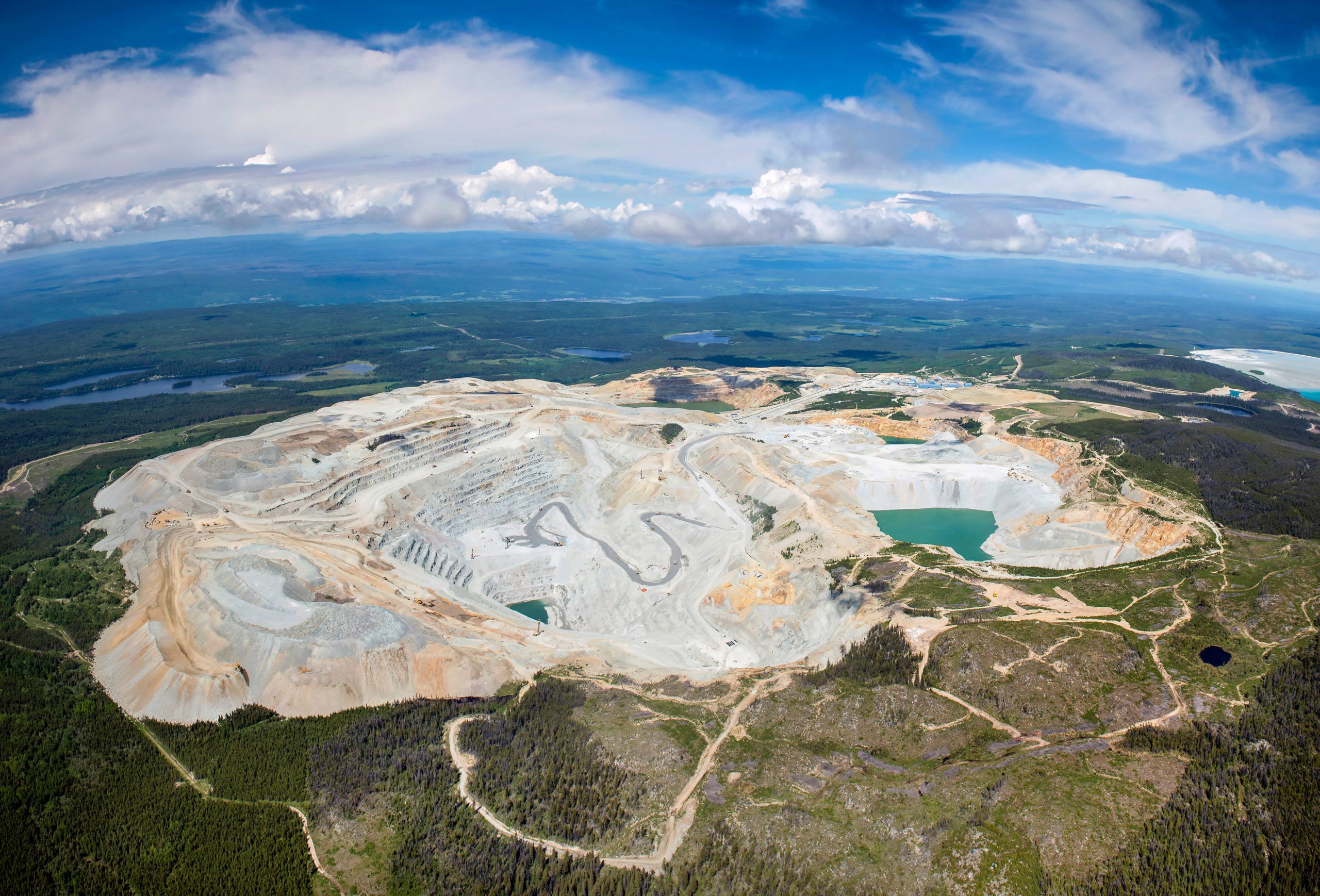
As the global demand for minerals and metals essential to a low-carbon future grows, B.C. is well-positioned to lead. B.C. is Canada’s largest producer of copper and the province hosts some of the world’s largest undeveloped gold, silver, copper and molybdenum deposits. B.C. is also rich in resources such as zinc, metallurgical coal and many of the minerals on Canada’s critical minerals list.
Learn more about B.C.
Discover the sector or regional advantages to support your business. Learn more about community engagement and consulting with Indigenous people and First Nations communities in British Columbia.