




Team Canada Trade Mission supports B.C. Seafood Market Development in Mexico
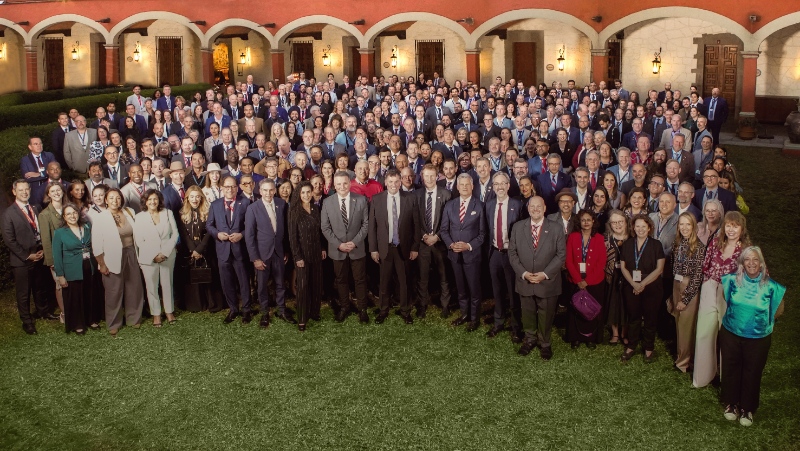
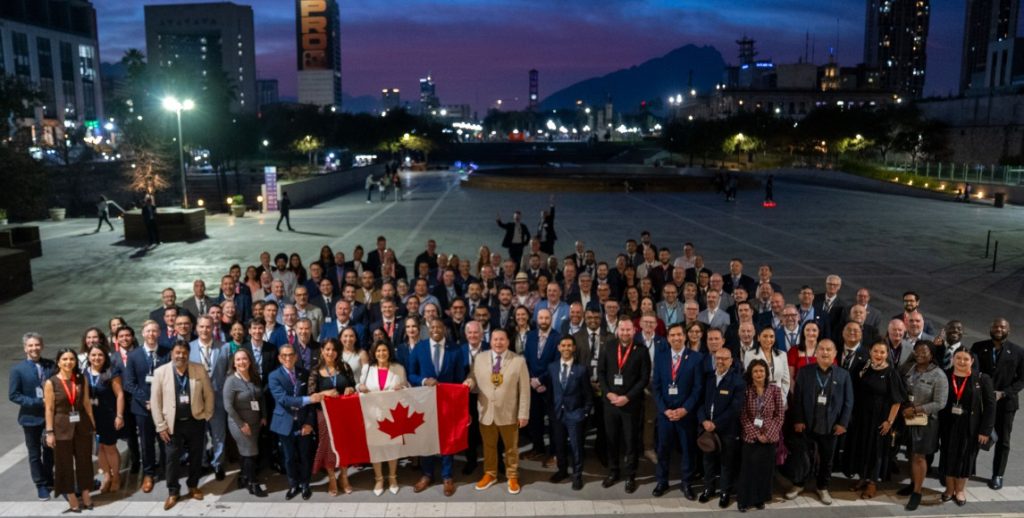
British Columbia’s agrifood and seafood sector is strengthening its presence in international markets following a successful showing at the Team Canada Trade Mission to Mexico in February 2026, led by the Honourable Dominic LeBlanc, President of the King’s Privy Council for Canada and Minister responsible for Canada-U.S. Trade, Intergovernmental Affairs, Internal Trade and One Canadian Economy.
The mission included a first-of-its-kind seafood event, connecting B.C. Indigenous and premium seafood producers directly with high-end Mexican buyers and hospitality leaders.
The delegation also included 41 B.C. companies and organizations across a range of industries, including agrifood and agritech, advanced manufacturing, clean technology, creative industries and information and communications technology (ICT). The mission created opportunities to connect with partners and buyers across Mexico while showcasing B.C.’s export-ready capabilities.
As part of the multi-city program spanning Mexico City, Guadalajara and Monterrey, many B.C. companies visited the market for the first time. The mission included business-to-business meetings, market briefings and sector events designed to help companies better understand local demand and build long-term commercial partnerships.
Premium B.C. Seafood Showcased to Mexican Buyers
Held alongside the broader trade mission, the Canada–Mexico Sustainable Seafood Exchange on February 14, 2026 brought together buyers, chefs, distributors and sustainability leaders for a curated dialogue and tasting experience focused on showcasing British Columbia’s highest quality seafood.
The invitation-only event highlighted responsibly harvested seafood from British Columbia, with particular emphasis on Indigenous fisheries and traceable products aligned with growing demand in Mexico’s upscale culinary sector.
Local chefs prepared B.C. seafood for event attendees, allowing buyers to experience the products firsthand while discussing sourcing requirements, logistics and market positioning. The format created practical conversations about how B.C. exporters can align with Mexico’s sophisticated culinary sector, where demand for premium and responsibly sourced ingredients continues to grow.
 |
 |
 |
 |
|---|---|---|---|
|
From left to right: Chinook salmon chicharron tostada with guacamole, cherry tomatoes, cuaresmeño pepper and heirloom cilantro. Greenland turbot ceviche with mango, jícama, cucumber, habanero and red onion. Northern BC lingcod sous vide with miso macha sauce, cous cous, cactus salad and heirloom tomatoes. Chocolate mousse with hazelnut sweet mole and grated candied wild pink salmon. |
|||
The participating B.C. seafood companies included St. Jean’s Cannery & Smokehouse, an Indigenous-owned commercial cannery, and Authentic Indigenous Seafood, a collective that brings together Indigenous-owned fisheries to export premium, traceable seafood products to global markets. Their participation helped demonstrate how Indigenous knowledge, sustainability practices and strong community governance models are shaping the future of seafood trade. Greenworks Inc., a BC-based consulting firm, supported the organization of the event by leveraging its network of seafood industry partners and helping bring key government, sustainability and industry stakeholders to the event.
B.C. has one of the most diverse agriculture, seafood and food processing industries in Canada, and exported agriculture, seafood, beverage and food processing products to 189 international markets in 2023.
Mexico’s sophisticated hospitality and culinary market continues to drive demand for differentiated seafood products with strong provenance and sustainability credentials. For B.C. exporters, this creates a strategic opportunity to position premium products while building brand recognition in a competitive market.
Throughout discussions, technology and innovation emerged as key enablers for future trade growth. Participants discussed how digital traceability, data standards and supply chain transparency can improve market access and build consumer confidence. These strengths align with B.C.’s leadership in ocean technology and sustainable resource management, reinforcing the province’s position as a trusted global supplier.
B.C. Companies Explore New Export Opportunities in Mexico
The overall Team Canada Trade Mission to Mexico included nearly 400 Canadian delegates representing more than 240 Canadian organizations across priority sectors such as agrifood, clean technology and clean energy, advanced manufacturing and digital industries. The mission was led by the Canadian Chamber of Commerce and included over 1,700 pre-organized business-to-business meetings with Mexico’s business sector.
There was representation from all Canadian provinces and one territory at the mission. B.C. companies were strongly represented, with over 41 companies included in the delegation, reflecting growing interest in the Mexican market and the province’s export-ready capabilities.
As of publication, 23 announcements, commercial partnerships and agreements involving national business associations, government organizations and Canadian companies from five provinces and one territory have resulted from the mission.

In Guadalajara, B.C. agrifood companies joined sector briefings and targeted meetings with Mexican importers, distributors and processors to better understand regional supply chains and consumer demand. Western Mexico is a key entry point for agrifood imports, with more than half of Canada’s agrifood exports to Mexico arriving through the region.
More than 400 B2B meetings took place in Guadalajara across agrifood and creative industries, demonstrating strong demand for Canadian products and solutions. These sessions helped companies refine their market-entry strategies and identify potential distribution partners. Government and industry engagements throughout the week also reinforced opportunities to expand bilateral agricultural trade and strengthen supply chain collaboration.
As global demand grows for responsibly sourced food, trade missions like this play an important role in helping B.C. companies expand into new markets and build lasting partnerships.
In Monterrey, more than 470 additional B2B meetings connected Canadian companies with local industry partners, supporting new commercial pathways and long-term relationship building across advanced manufacturing, clean technology and ICT.
The scale of participation also reflects broader momentum in Canada–Mexico economic collaboration, particularly in sectors where sustainability, innovation and supply chain resilience are increasingly important.
Strong Canada–Mexico ties and Shared Global Opportunities
As an international gateway to the Asia-Pacific and a stable, business-friendly jurisdiction, B.C. is widely recognized as a safe and competitive destination for investment. Strong regulatory frameworks, access to skilled talent and a focus on sustainability continue to attract global partners.
Two free trade agreements [Canada United States Mexico Agreement (CUSMA) and Comprehensive and Progressive Agreement for Trans-Pacific Partnership (CPTPP)] cover most sectors and aspects of trade between B.C. and Mexico to reduce trade barriers and facilitate the integration of our supply chains.
Both regions will also host matches during the FIFA World Cup 2026™, creating new global visibility and investment opportunities across tourism, infrastructure and technology sectors.
Import Seafood and Agrifood Products from British Columbia
Trade and Invest BC supports international buyers looking to source high-quality products from British Columbia.
Our global network helps connect businesses with trusted B.C. suppliers across a variety of sectors, including seafood, agrifood and value-added food processing. We provide market insights, business matchmaking and investment support to help companies succeed in international markets.
To learn more about importing from British Columbia or to connect with B.C. exporters, contact Trade and Invest BC or follow us on LinkedIn and X.
Related News

We Can Help
Trade and Invest BC helps facilitate foreign direct investment and has Trade and Investment Representatives in markets around the world. Contact the representative nearest you for support in investing in British Columbia.