

Choose Kootenay Region
In the southeast corner of B.C., bordering the United States and Alberta, the Kootenay region offers strategic access to Western Canadian and U.S. Pacific Northwest markets through multiple highway border crossings, railway access and regional airports that support cross border trade, labour mobility, and logistics.
Abundant water resources, electricity generation, forest assets, and mineralized geology underpin established coal production, critical minerals, and forestry operations, while the region’s natural amenities support talent attraction and retention for knowledge-based and export-oriented firms.
Coal production, critical minerals, forestry, and tourism all contribute to the local economy while advanced and value-added manufacturing industries, export-focused technology and digital media are emerging in the region to serve global markets.
Regional Advantages
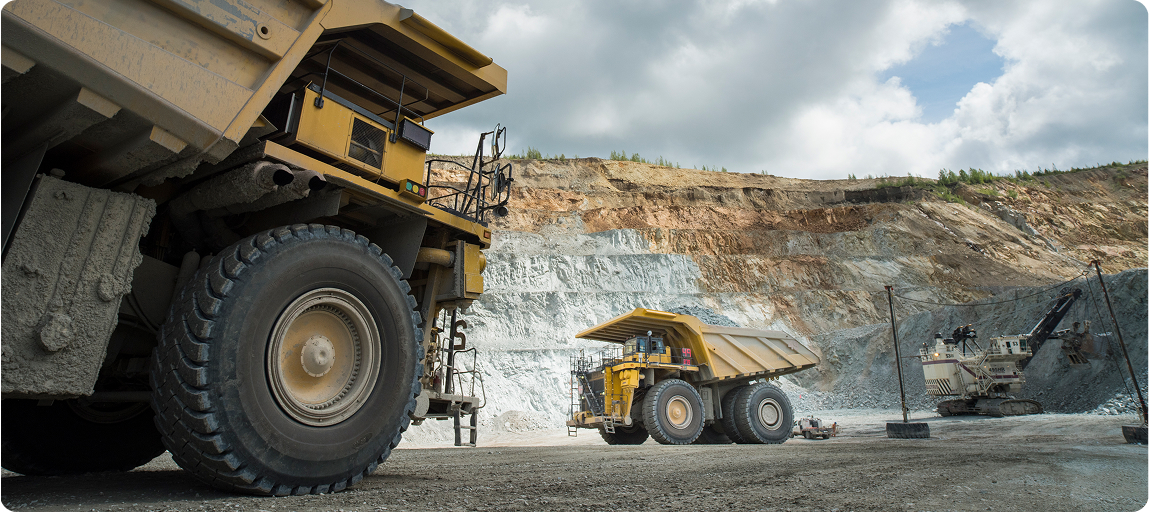
Critical Metals/Battery Recycling Cluster
The regional metals sector is growing and transforming. It has one of the world’s largest zinc lead refineries and on a smaller scale has built up a high technology fabrication lab, battery recycling capacity and critical minerals extraction from raw materials companies Metal Tech Alley could soon become Critical Metals Tech Alley. There are many projects underway including a Circular Economy initiative that along with the core cluster components listed above will ideally create more opportunities and attract significant funding/investment to the area.

Outdoor Recreation & Technology
Canada’s first craft outdoor gear maker alliance, Kootenay Outdoor Recreation Enterprise, is dedicated to makers and creators in the outdoor recreation technology manufacturing sector and provides a collaborative platform for product design, prototyping, small‑batch manufacturing, and brand development. This cluster offers investors access to specialized suppliers, skilled designers, and niche export markets in outdoor equipment, apparel, and recreation technologies.

Broadband Connectivity
Via a collaboration of regional government partnerships and the Columbia Basin Broadband Corporation, the region is home to a comprehensive open access fibre optic network that enables reliable, high-bandwidth connectivity for digital media, remote operations, cloud-based services, and distributed teams. This digital backbone supports business continuity, remote work, and data-intensive industries across urban and rural communities.
Key Sectors



Economic Advantages
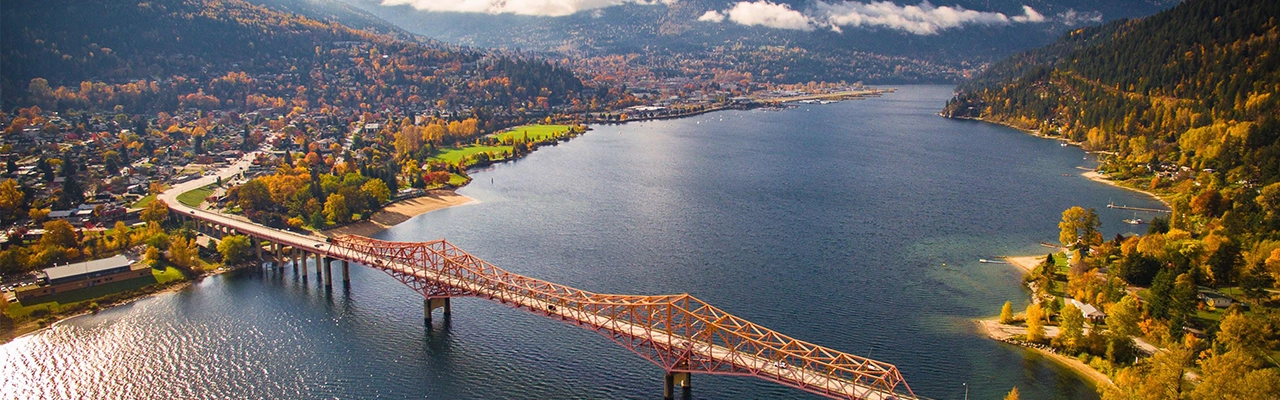
Nelson
Located in South Eastern BC,incorporated in 1897, Nelson has developed into a rich, diverse community, with a sophistication not often found in a small town environment. This fact, coupled with the incredible geographical beauty of the area, makes Nelson an ideal place to live and raise a family, work, own a business, or retire if that’s where you are in life. Nelson ranked behind only Vancouver and Victoria as the most liveable city in the entire province. Nelson has a population of 10,232 and a trading area of approximately 60,000. The community is blessed with a true entrepreneurial spirit. In 2014, the City of Nelson issued over 1300 business licenses while the Chamber of Commerce reached an all-time high of 530 members. Nelson and area is one of BC’s richest resource regions and our tradition reaches back over 100 years. More recently Nelson’s excellent climate, location, and quality workforce have helped create a robust and diversified economy including tourism, education, health services, manufacturing, and technology.
Cranbrook
Cranbrook’s economy is stable and home to a wide range of business in retail, health care, education and trades. Few cities in B.C. can compete with our market accessibility. Two U.S borders (Idaho and Montana) are less than an hour from Cranbrook. And with close proximity to many Kootenay communities, like Kimberley, Fernie and Invermere, our total immediate market reach is up to 100,000. Cranbrook is also less than two hours from southern Alberta, which expands our market to a further 4.5 million.
Commmunities
The main pillars of the Kootenay regional economy are tourism, mining, and forestry, with a significant portion of regional employment existing directly in, or in support of, these three sectors. Development corporations— owned collectively by aligned First Nations or by individual First Nations— are the primary vehicles by which First Nations pursue and advocate for sustainable economic development through equity partnerships, impact benefit agreements, and joint ventures in sectors such as renewable energy, natural resources, tourism, and infrastructure. Early engagement with these development corporations is a critical success factor for long-term, sustainable investment in the region.
Regional Labour Force ProfileEconomic Development Organizations
- Cranbrook Economic Development
- Nelson & Area Economic Development Partnership
- Columbia Valley Community Economic Development Commission
- Creston Valley Economic Action Partnership
- Elk Valley Economic Initiative
- Golden Community Economic Development
- Imagine Kootenay Partnership
- Economic Development Revelstoke
First Nations
The main pillars of the Kootenay regional economy are tourism, mining, and forestry, with a significant portion of regional employment existing directly in, or in support of, these three sectors.
Development corporations— owned collectively by aligned First Nations or by individual First Nations— are the primary vehicles by which First Nations pursue and advocate for sustainable economic development.
Learn more about First Nations in BCEconomic Development Organizations
Logistics & Accessibility
Educational Institutions

The College of the Rockies offers a full range of programs in the areas of university studies, adult basic education, health, child youth and family studies, administrative studies, tourism, computer technology, fire services and trades.

Selkirk College was the first regional community college in British Columbia. It has grown into one of the largest organizations in the Kootenays and offers over 60 programs.
Connect With a Regional Expert
Regional experts can help familiarize you with the amenities, infrastructure, and opportunities in each region. They can introduce you to the economic development offices and industry associations that will support the integration of your business into the province.