




B.C. Groundfish Earns Sustainability Milestone
Key Points:
What makes British Columbia’s groundfish trawl fishery an attractive partner for global seafood buyers and investors?
The Marine Stewardship Council (MSC) certification covering 16 species in British Columbia’s groundfish trawl fishery, a commercial fishing sector that uses trawl gear to harvest groundfish, reinforces the province’s reputation for supplying high-quality seafood through one of the world’s most transparent and science-based fisheries management systems.
- Expanded market opportunities: MSC certification strengthens buyer confidence and supports access to domestic and international markets seeking independently verified, responsibly managed seafood.
- World-class fisheries management: The fishery operates with science-based catch limits, Individual Vessel Quotas, 100% at-sea electronic monitoring and 100% dockside validation, providing exceptional accountability and traceability.
- Diverse, export-ready seafood supply: Certified species such as Pacific Ocean Perch, Widow Rockfish and Yellowtail Rockfish showcase British Columbia’s ability to supply high-value seafood products to customers across North America, Europe and Asia.
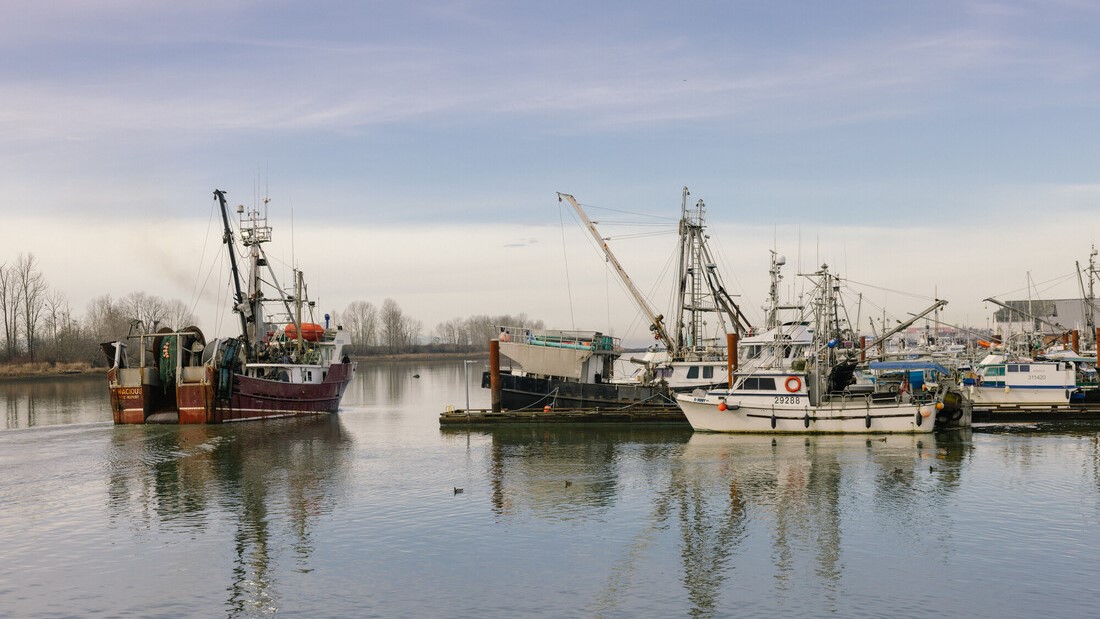
British Columbia’s groundfish trawl fishery has achieved Marine Stewardship Council (MSC) certification for 16 commercially harvested species, marking a significant milestone for Canada’s seafood sector.
The certification reflects decades of collaboration among harvesters, Fisheries and Oceans Canada (DFO) Science and industry stakeholders to advance responsible, science-based fisheries management. While MSC certification is voluntary, it is one of the world’s most widely recognized standards for sustainable seafood.
For international buyers and investors, the achievement reinforces British Columbia’s reputation as a reliable supplier of high-quality seafood backed by rigorous management and oversight.
Certified Groundfish Showcase B.C.’s Seafood Diversity
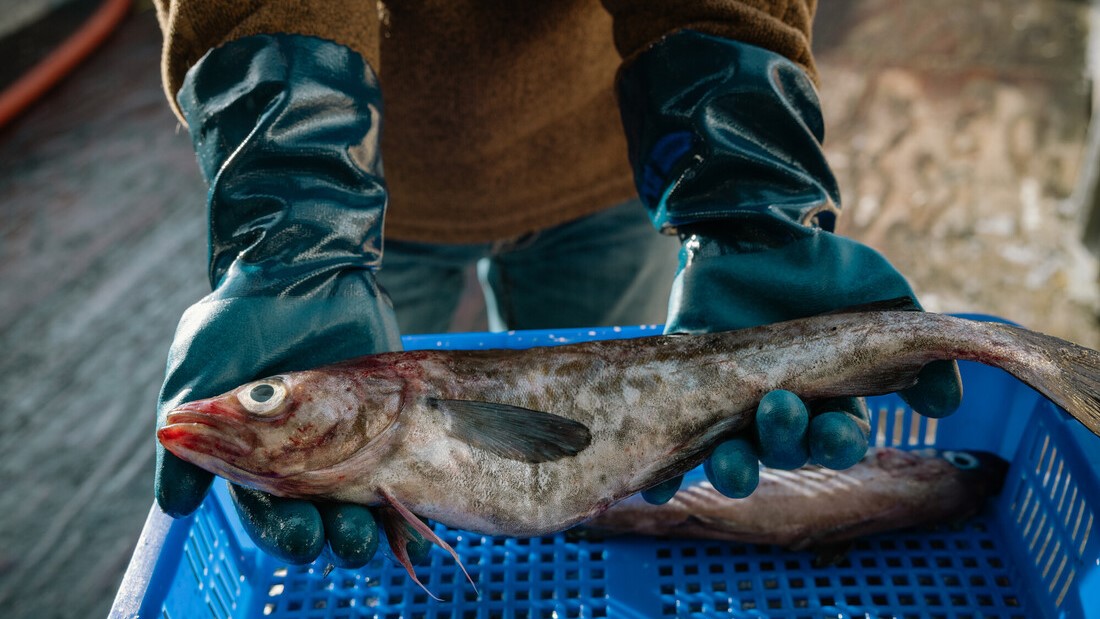
The certification covers 16 species harvested by the B.C. groundfish trawl fleet, including Pacific Ocean Perch, Widow Rockfish, Yellowtail Rockfish, Lingcod, Sablefish and Dover Sole.
Several certified species are particularly important to export markets.
Black Cod (also known as Sablefish) is a premium North Pacific seafood prized worldwide for its rich, buttery texture, exceptional omega-3 content and versatile culinary appeal. Sustainably harvested, it commands strong demand in high-value retail, foodservice, and export markets across Asia, Europe and North America.
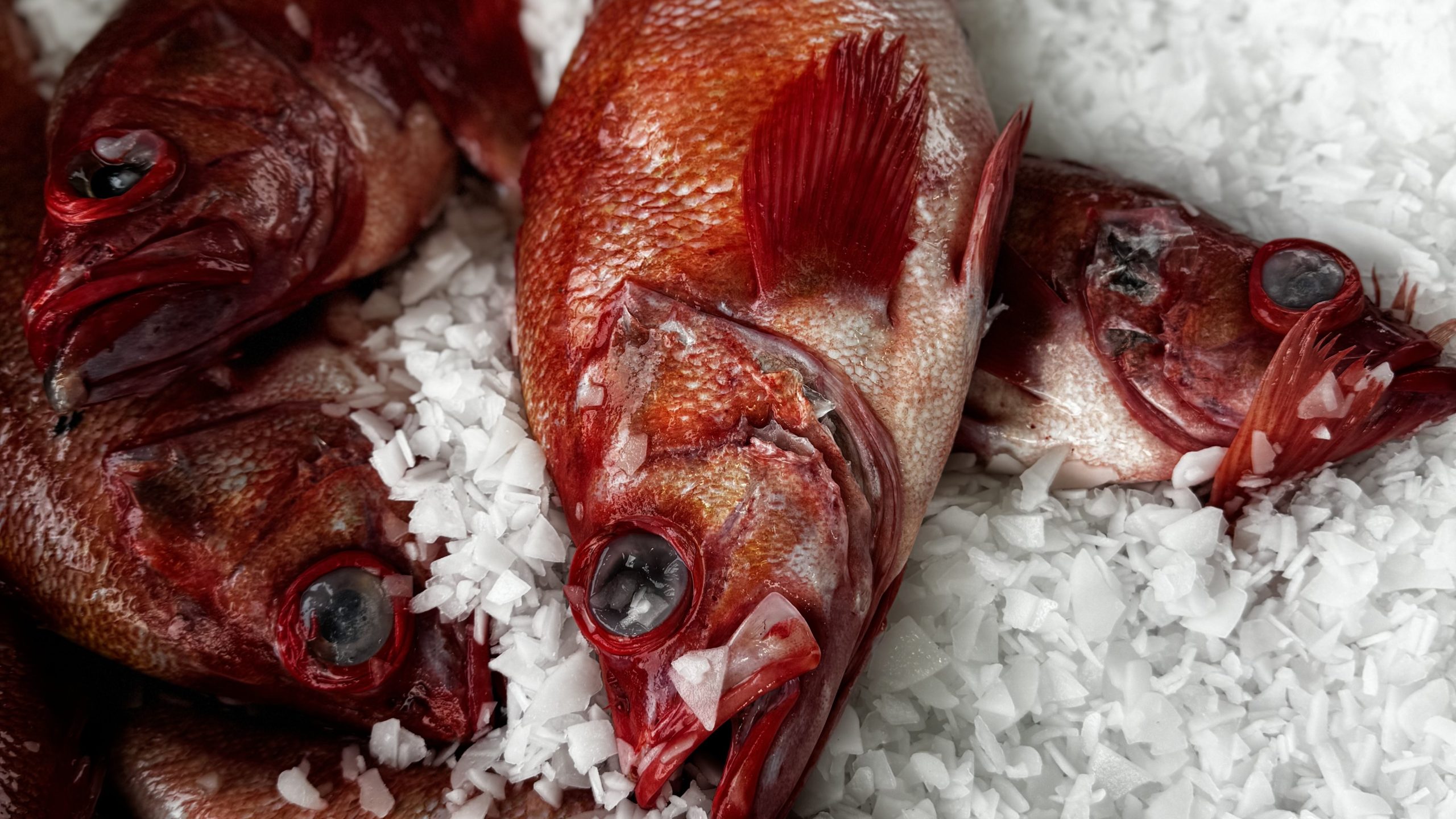
Pacific Ocean Perch is one of British Columbia’s leading deepwater species, known for its mild flavour, firm texture and vibrant red fillets. It is marketed across North America, Europe and Asia.
Widow Rockfish is valued for its versatility and quality, making it popular with domestic and international seafood buyers.
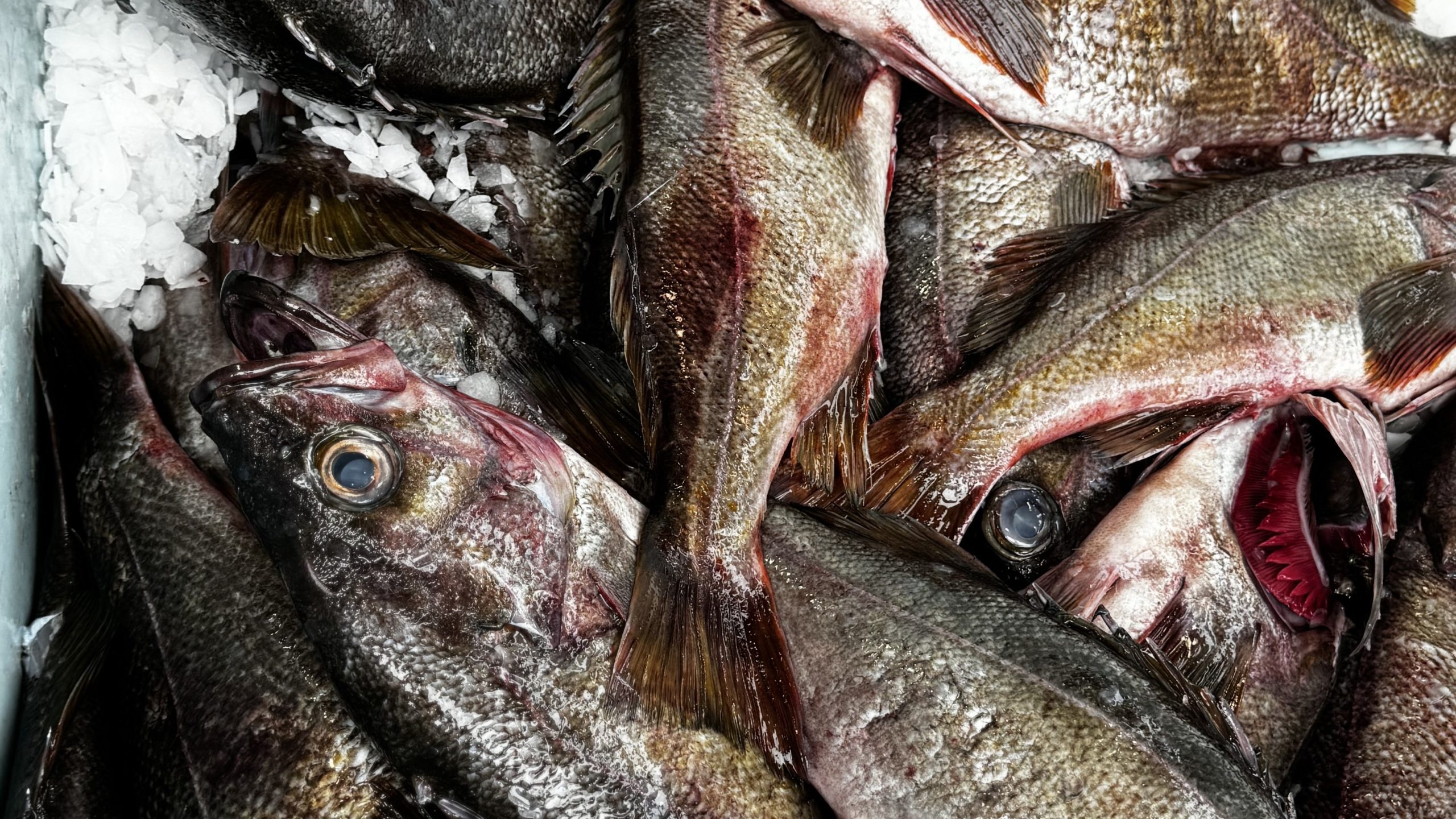
Yellowtail Rockfish is among British Columbia’s most commercially significant rockfish species. Its mild flavour and premium white flesh make it well suited for retail and food service markets worldwide.
Together, these species offer buyers access to a diverse supply of premium Canadian seafood products.
Quick Facts:
- B.C. exports $1.3 billion worth of seafood to international markets each year.
- B.C. is home to more than 100 seafood species and exports a diverse range of nearly 200 seafood products to markets around the world.
- China and Japan are the second- and third-largest export markets for B.C. seafood.
World-Leading Fisheries Management Supports Market Confidence
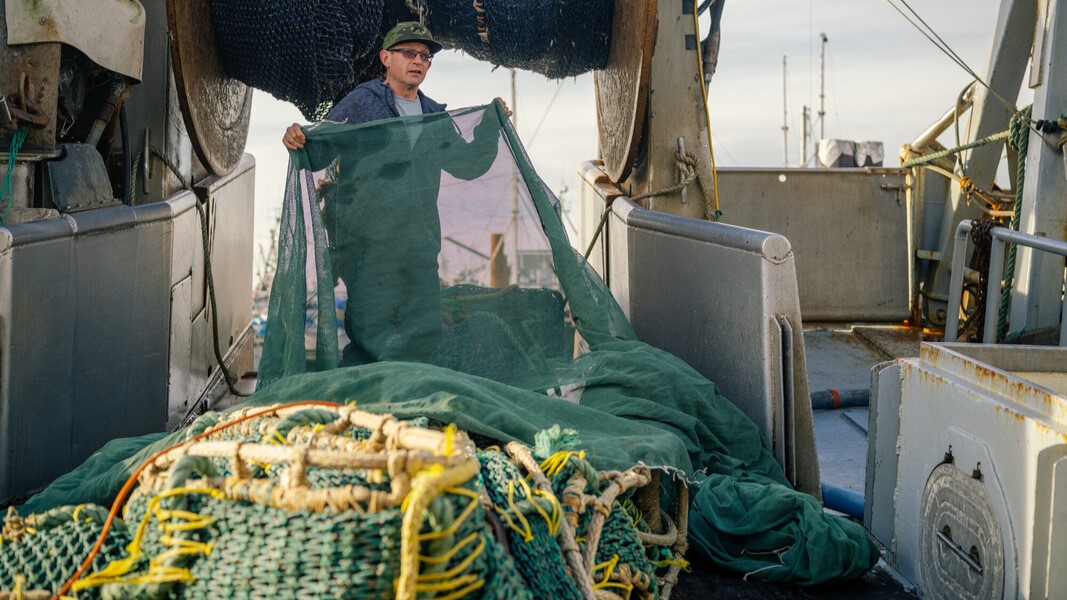
Science-based total allowable catches, individual vessel quotas and strict gear and area restrictions help ensure long-term sustainability. Every fishing trip is independently verified through 100 percent at-sea electronic monitoring and 100 percent dockside validation.
The fleet also participates in an industry-led habitat conservation program that limits trawl activity to less than six percent of the B.C. coast. Additional measures include mandatory 100 percent rockfish retention and the world’s first habitat bycatch conservation limit for corals and sponges.
These measures provide buyers with confidence that products are sourced from a closely monitored and responsibly managed fishery.
Collaboration and Innovation Drive Long-Term Success
The certification is the result of sustained investment in research, monitoring and innovation. Industry works closely with DFO Science to support stock assessments, biological sampling and scientific research that strengthen fisheries management.
This collaborative approach has helped position the B.C. groundfish trawl fishery as a global example of responsible harvesting while supporting long-term economic opportunities for coastal communities and seafood businesses.
B.C. Delivers a Strong Seafood Value Proposition
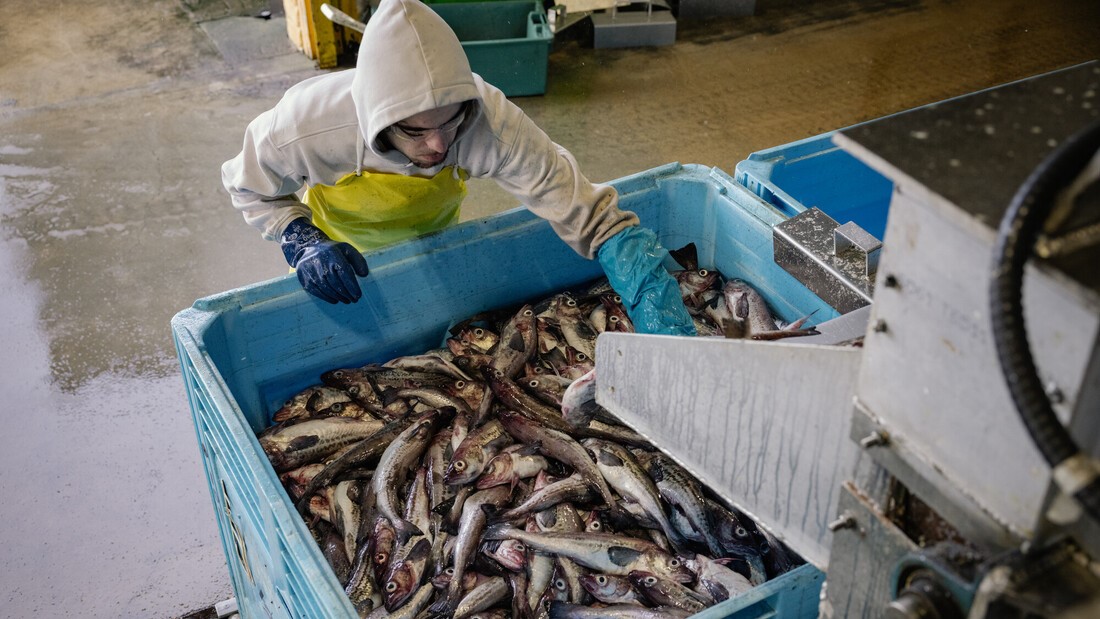
The MSC certification highlights British Columbia’s commitment to quality, sustainability and continuous improvement. It provides buyers with access to certified seafood products supported by a transparent management system and a proven track record of stewardship.
As Zoe Ahnert, Executive Manager of the Deep Sea Trawlers Association of B.C., noted:
“Achieving Marine Stewardship Council certification is more than an environmental milestone—it is an investment in the future of British Columbia’s seafood industry. It demonstrates to seafood buyers around the world that our harvesters operate under one of the most transparent, science-based and accountable fisheries management systems anywhere. MSC certification strengthens market opportunities for British Columbia seafood while recognizing the decades of collaboration and innovation that have made our fishery a global leader in sustainable harvesting.”
Interested in learning more about British Columbia’s seafood sector? Contact Trade and Invest BC to explore business, trade and investment opportunities. Follow Trade and Invest BC on Bluesky, LinkedIn and X for the latest updates on B.C.’s export industries, investment opportunities and global market success stories.
Related News

We Can Help
Trade and Invest BC helps facilitate foreign direct investment and has Trade and Investment Representatives in markets around the world. Contact the representative nearest you for support in investing in British Columbia.