




 Resources
Life Sciences Series: Article #4 – Advanced Antibody Discoveries
Why British Columbia is a leader in antibody drug therapies — and the companies pushing the cutting edge
“British Columbia’s life sciences ecosystem gives entrepreneurs like me the rare ability to build multiple commercially viable companies. The strong support by our government to fund academic and translational research, provide essential building blocks and skilled talent to launch innovative companies. This alignment, coupled with venture capital and a personal desire to build globally competitive companies in Canada benefits the economy and the lives of British Columbians.”
– John Babcook, President and CEO, Evolved Therapeutics
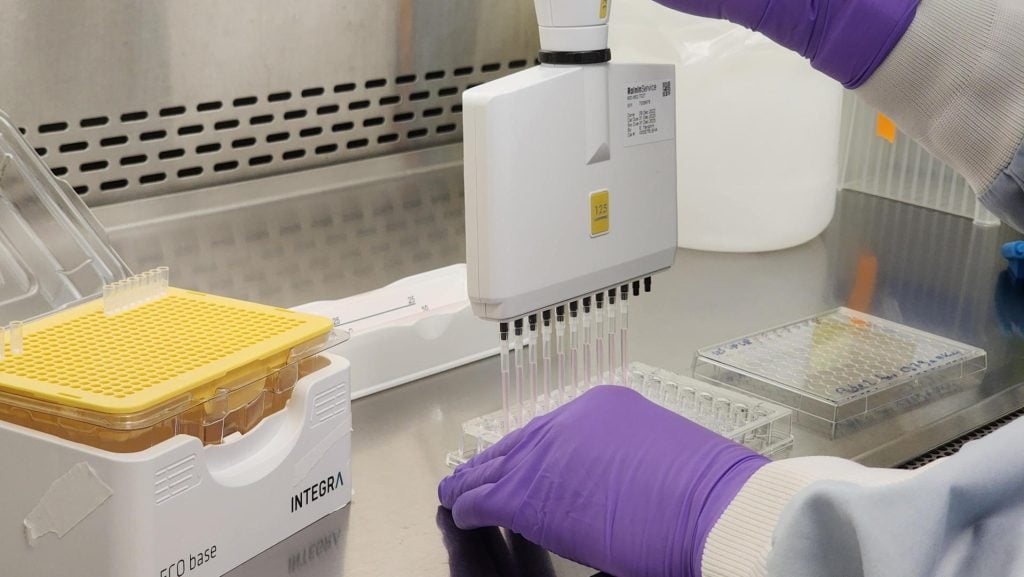
British Columbia (B.C.) punches well above its weight in the global biologics arena. In just over a decade, B.C.’s antibody-development industry has evolved from an academic research strength into a globally recognized bio hub. Supporting the bio hub is a dense ecosystem where world-class academic immunology, nimble biotech startups, specialized enabling firms and proactive public supports intersect to drive the conversion of antibody science into real medicine.
This convergence explains why the antibody industry was able to establish a solid foundation relatively quickly—and why that foundation now serves as a springboard for building and applying new innovations to help develop, test and deliver next-generation biologics. For example, some organizations are now integrating cutting-edge computational programs and other innovative technologies that not only facilitate more precise discovery or delivery platforms for antibodies, but also enable developers to predict how an antibody will behave,
B.C. is repeatedly home to headline-making antibody discoveries, sophisticated engineering of next-generation formats (bispecifics, antibody drug conjugates and multi-specific scaffolds), and the enabling technologies that speed those molecules from idea to commercially available antibody.
A lightning-rod example is AbCellera Biologics. The company vaulted onto the global stage during the COVID-19 pandemic by using its rapid antibody-discovery platform to find neutralizing antibodies from a recovered patient and, together with its partner Eli Lilly & Company, move a clinical candidate into trials in record time: It’s a story that illustrates both technical depth and operational speed. AbCellera has matured from a technology partner into a clinical-stage biotech company developing its own pipeline of antibody medicines. Its pandemic work (including the bamlanivimab program) is often cited as proof that small, well-focused teams can outpace traditional timelines when technology, partnerships, and the regulatory environment align.
Zymeworks is another B.C. leader — one that has specialized in engineering multifunctional antibody therapeutics. These next-generation formats are central to the current wave of oncology antibody innovation. For example, Zymeworks’ Azymetric™ platform and bispecific programs — including their Health Canada and FDA approved HER2-targeting bispecific, Ziihera (zanidatamab-hrii) — show how B.C. companies are moving beyond classic monoclonals into engineered modalities that can recruit immune effectors, bind multiple tumor antigens at once, or deliver payloads with much greater precision.
Amgen British Columbia’s Burnaby-based R&D facility is a global research and innovation centre advancing next-generation biologics and discovery workflows. Building on a strong foundation in antibodies, the site integrates cutting-edge computational modeling with complex human biological models to discover novel biologics and predict their behavior in the human body.
But leadership isn’t only about companies that invent antibodies. It’s also about the specialist tools, reagents and manufacturing know-how that let innovators iterate fast. Those capabilities reduce development risk for complex biologics and help local firms translate antibody engineering into viable clinical candidates.
Universities, hospitals and national labs in B.C. provide the deep scientific bedrock. University of British Columbia (UBC) and its Life Sciences Institute, BC Cancer, TRIUMF and affiliated clinical research networks supply immunology expertise, structural biology, in-house antibody engineering capacity and access to patient samples and trials. This “research-to-clinic” pipeline —literally next-door access to discovery science, translational labs and clinical collaborators — shortens feedback loops that many biotech regions struggle to recreate.
What makes B.C.’s model particularly effective?
- World class academic and research institutions that collaborate with industry. For example, Canada’s Immuno‑Engineering and Biomanufacturing Hub (CIEBH), led by the University of British Columbia, is advancing next‑generation immune‑based therapeutics—including innovative antibody treatments—through a network of more than 50 academic and industry partners. These efforts include major multidisciplinary projects, one of which is led by Simon Fraser University, strengthening Canada’s capacity to rapidly develop and commercialize antibody‑based therapeutics and related biomedical innovations in response to emerging biological threats.
- Platform-first companies meet pragmatic partners. Platforms that can rapidly mine immune repertoires, engineer binding scaffolds and screen functionally (rather than one-at-a-time) are crucial. When those capabilities sit beside seasoned biomanufacturing or formulation companies, programs move faster and smarter. AbCellera and Zymeworks are archetypes of platform-driven development.
- Cross-disciplinary clusters. Radiochemistry at TRIUMF, immunology at UBC, translational oncology at BC Cancer — these different disciplines collide in useful ways (imaging, isotope-labelled antibodies, combination therapies), creating novel use cases for antibody drugs that extend beyond simple neutralization.
- Speed plus regulatory and capital support. B.C. attracts international investment and favorable collaborations with federal and provincial programs, enabling companies to scale R&D and manufacturing. The province’s industry profile and visible success stories make it easier to recruit talent and strategic partners.
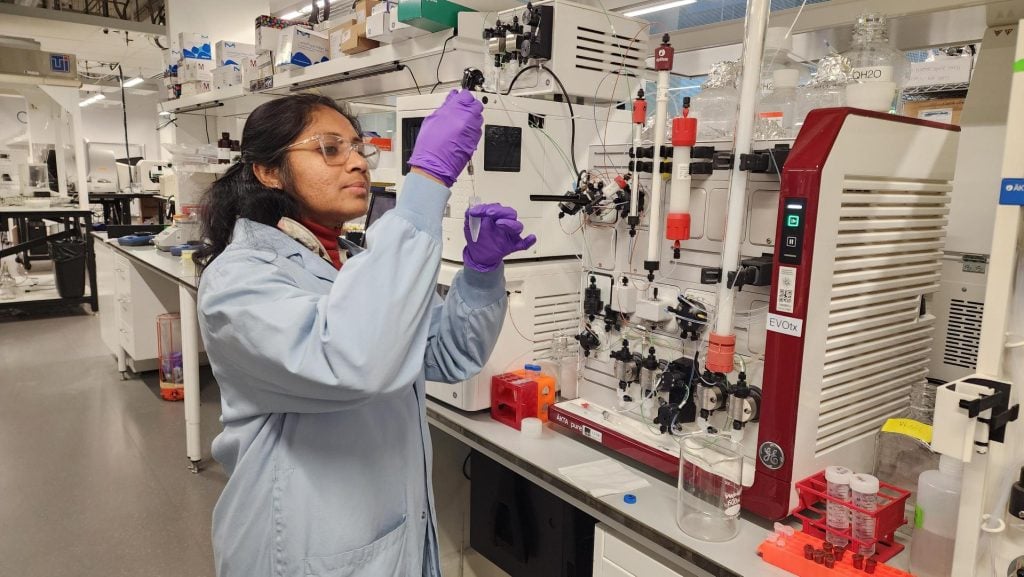
Companies to watch: A new wave of visionaries redefining advanced antibody development
- Evolved Therapeutics (Vancouver): Focuses on establishing innovative antibody discovery platforms. The company specializes in the development of precision medicines for cancer, autoimmune and inflammatory diseases.
- Innovative Targeting Solutions (Vancouver): Specializes in the discovery and engineering of next generation Biologics. The company works with strategic partners to discover and engineer fully human nanobodies, fully human bi-specifics and fully human multi-specifics using proprietary platforms including the company’s patented HuTARG™ “technology”.
- iProgen Biotech (Burnaby): Focuses on next-generation antibody-drug conjugates (ADCs) development using smarter antibodies (i.e., conditionally activated or bispecific) and smarter payloads (i.e., oligo, molecular glue, cyclic peptide, radioisotope, etc.) Their proprietary antibody-enhancing delivery program improves antibody drug internalization and delivery.
- ME Therapeutics (Vancouver): is advancing a pipeline of therapeutic programs that reprogram immune cells to enhance recognition of cancer cells and overcome immune suppression in the tumour microenvironment.
The BC ecosystem advantage
British Columbia’s strength in antibody therapeutics is not a single-story success; it’s an ecosystem achievement. World-class discovery platforms, companies that specialize in drug-enabling technologies, translational research hubs and supportive investment/regulatory pathways combine to make B.C. a place where antibody ideas are not only invented — they are iterated, tested and quickly moved toward patients. For investors, talent, and collaborators seeking antibody innovation, B.C. offers both technical depth and the practical scaffolding required to turn sophisticated biologics into global medicines.
Investor Alert: Unlock the Future of Innovation in British Columbia
Missed the opportunity to learn about British Columbia’s life sciences ecosystem at January’s J.P. Morgan Healthcare Conference in San Francisco? Join us at the following events:
Road to Web Summit Vancouver: Investor Showcase (May 11, 2026) coincides with Web Summit Vancouver. Organized by Innovate BC, this event is designed to connect local and global investors with B.C.’s top 30 most investible startups (including life sciences companies) through providing a curated platform for discovery, relationship building, and market exposure. Investors interested in participating at the event can contact [email protected]
Web Summit Vancouver | May 11-14, 2026 is one of the world’s biggest tech and innovation conferences that brings together innovators, investors, industry leaders and media. Investors interested in participating at the event can contact [email protected].
Let us know if there are any upcoming investor engagement opportunities we should know about.
Whether you’re looking for emerging investment opportunities or strategic partnerships, this is your gateway to British Columbia’s results-driven ecosystem on the global stage.
Explore other opportunities or connect with us at: www.britishcolumbia.ca/industries/life-sciences
For more information on British Columbia Government’s initiatives supporting the life sciences sector read:
Related News


We Can Help
Trade and Invest BC helps facilitate foreign direct investment and has Trade and Investment Representatives in markets around the world. Contact the representative nearest you for support in investing in British Columbia.