

Choose North Coast Region
The North Coast is a vast, resource‑rich region of British Columbia, stretching from the North Pacific coastline through the Skeena, Nass, Kitimat, Stikine and Taku watersheds to the western cordillera and interior plateaus. It is a priority area for federal and provincial economic development, with numerous Indigenous‑led and partnered major projects. The region is highly competitive for large‑scale industrial, infrastructure, energy, and resource developments, strategically positioned as a gateway to major mineral and resource belts. Its deep, ice‑free ports—supported by rail, intermodal, and inland transportation links—offer efficient access to Pacific shipping routes. Established industrial operations, available industrial land, and export‑focused sectors such as commercial fishing, critical minerals, logging, mining, and transitional fuels form core strengths of the North Coast economy.
Today, the region hosts mills, manufacturing facilities, mining operations, hydro projects, and growing sectors in green technology, critical mineral processing, and food and beverage production. It is also well suited for wind and tidal power development, while its nutrient‑rich waters support shellfish aquaculture and long‑term growth in sustainable seafood and other ocean‑based industries.
Regional Advantages
Deep-water Container & Bulk Export Gateway
Prince Rupert is becoming Canada’s next global industrial gateway. The Port is widely recognized as having the deepest ice-free natural harbour in North America and the third-deepest natural harbour in the world, enabling efficient year-round operations for container, bulk, breakbulk and project cargo, with capacity for further terminal expansion and large-vessel deployment.
Asia-pacific Trade Corridor & Multimodal Logistics
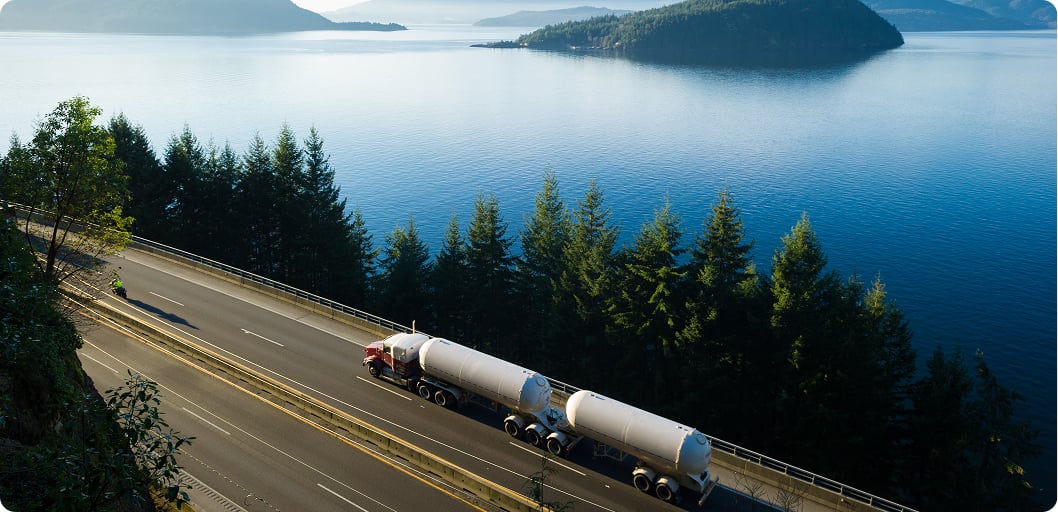
The region offers well-developed rail, road and port infrastructure that efficiently supports the movement of goods and services from British Columbia to North American and Asian markets. It’s marine terminals are fully integrated with Class I rail connections, highway networks, and inland distribution hubs, reducing transit times and logistics costs for global supply chains.
Critical Minerals & Resource Development Hub
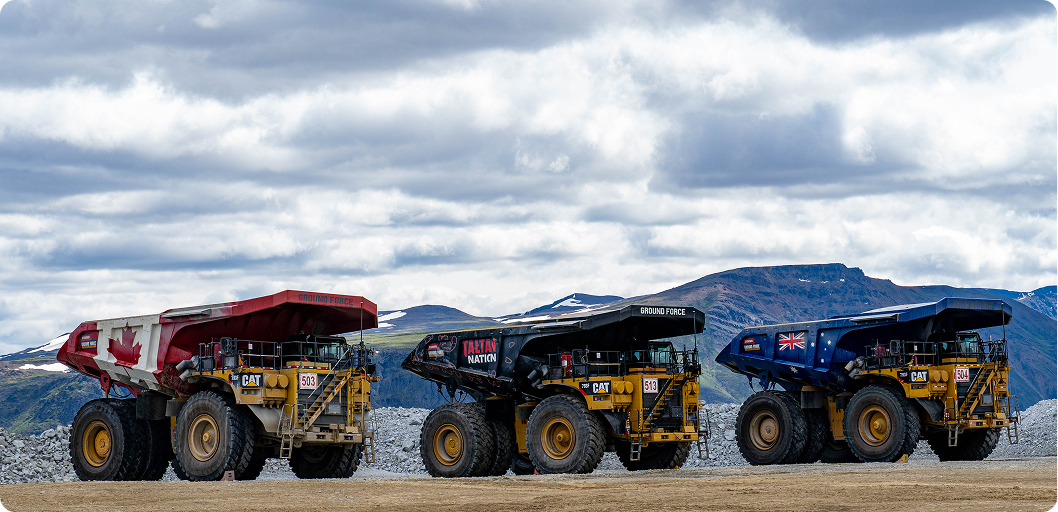
The “golden triangle” is home to some of the world’s largest and richest gold, silver and copper mineral deposits, positioning the region as a key jurisdiction for critical minerals exploration, mine development, and associated supply chain and services investment.

Canada’s LNG Gateway to the Asia Pacific
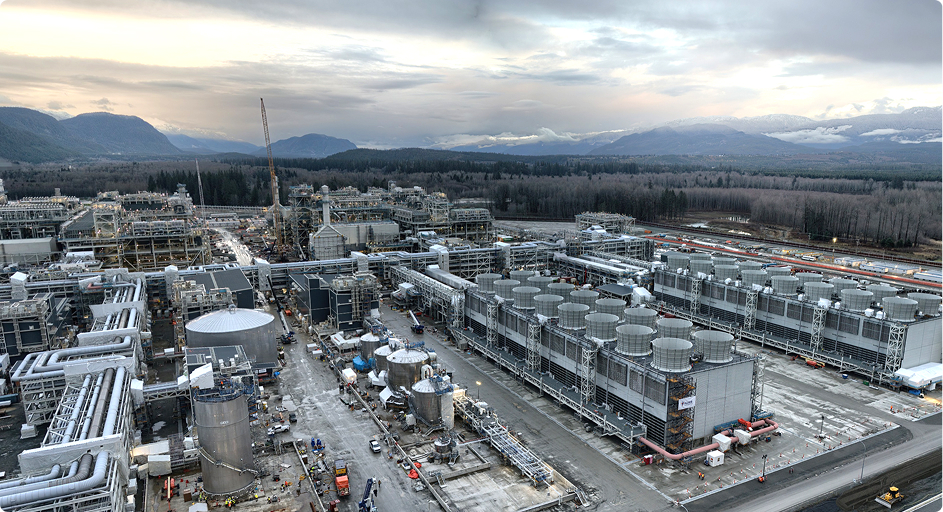
Canada’s first LNG export facility is now operational in Kitimat, with others on the way (Cedar LNG, Ksi Lisims LNG, & potentially LNG Canada Phase 2). There are also the LPG exports terminals AltaGas Ridley Island Propane and Pembina’s Watson Islands LPG Bulk Terminal, with construction advancing on Ridley Island Export Facility, an AltaGas-Vopak Joint Venture. Collectively, over the coming years, as these projects come online, they will significantly strengthen Canadian energy exports to the Asia Pacific.
Key Sectors






Economic Advantages
Prince Rupert
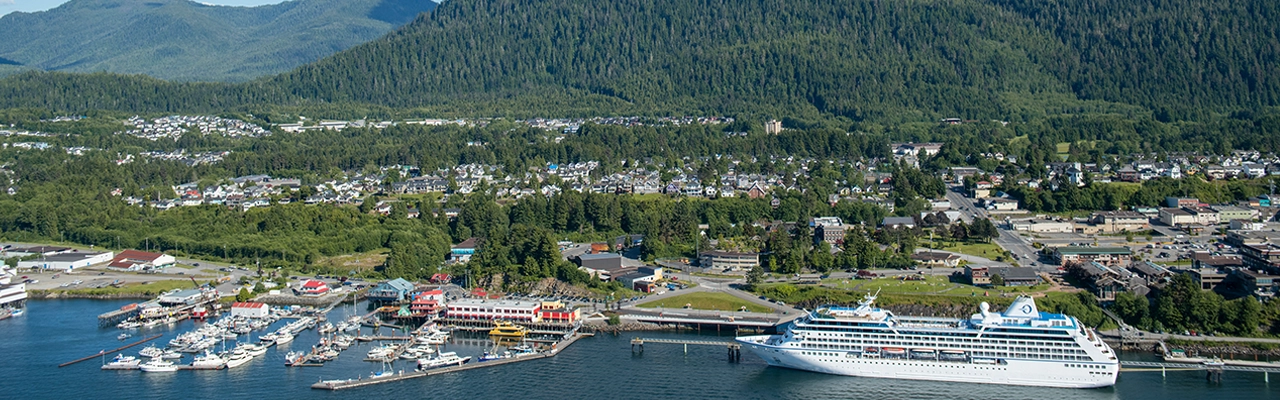
Located on British Columbia’s beautiful Pacific North Coast and at the mouth of the majestic Skeena River, Prince Rupert is Canada’s Northern Gateway for Asia-North American trade, Prince Rupert is a transportation hub for Northern BC, easily accessible by air (2 hour flight from Vancouver), cruise ship, ferry (BC Ferry or Alaska Marine Highway Ferry), rail (from Prince George), and highway 16. Framed and protected by coastal mountains and islands, Prince Rupert has the world’s second deepest, natural, ice-free harbour and it is North America’s closest port to Asia. The harbour is home to a modern cruise ship terminal and a new, expanding container terminal that moves goods of all kinds between Asia and the rest of North America. An established and highly efficient inter-modal transportation network connects Asia to the heart of Canadian and US consumer markets. Prince Rupert has long been a major force in fishing and seafood harvesting. Prince Rupert is also establishing itself as a hot spot for renewable energy, aquaculture, and cultural and eco-tourism opportunities. It is ideally situated for wind and tidal power generation and the nutrient rich waters of the North Pacific are a perfect location for shellfish aquaculture.
Terrace
Perfectly positioned to take advantage of the billions of dollars in major developments occurring in mining, green energy and LNG, Terrace is the location of choice for many established businesses and entrepreneurs. Boasting the largest regional population base in this part of the province, Terrace is the service, educational and medical hub of the region. Terrace is centrally located at the crossroads of Highways 16, 37 and 113, and our close proximity to three deep water ports, rail service, and a bustling airport all serve to connect Terrace to the rest of the world.
Communities
With a population of 60,455 people spread over nearly 124,000 square kilometers, the North Coast region offers space for a wide range of industrial footprints, including large-scale greenfield and brownfield development. Key communities include Prince Rupert, a gateway for Asia-Pacific trade, Terrace, a service hub in the region, which provide opportunities that attract industries, and businesses, and Kitimat, a host of some of the largest projects in the Province. Prince Rupert anchors the region’s port, logistics and marine services economy, with state-of-the-art transportation infrastructure, deep-water berths and significant port-related industrial opportunities.
Regional Labour Force ProfileEconomic Development Organizations
First Nations
Commercial fishing, eco-tourism, forestry, natural gas and mining make up a large part of the regional economy, with many projects advanced through long-term partnerships with First Nations.
Development corporations— owned collectively by aligned First Nations or by individual First Nations— are the primary vehicles by which First Nations pursue and advocate for sustainable economic development, providing experienced partners for investors in sectors such as ports and logistics, energy, critical minerals, forestry, and tourism.
Learn more about First Nations in BCEconomic Development Organizations
- BC Assembly of First Nations – North Coast
- Heiltsuk
- Gitwinksihlkw Village Government
- Tahltan Nation Development LP
- Gitanmaax Development Corporation
- Gitgaat Development Corporation
- Gitxsan Development Corporation
- Haida Enterprise Corporation
- Kitselas Development Corporation
- Lax’Kw’alaams Business Development LP
- Old Masset Village Council
Logistics & Accessibility
Educational Institutions

The University of Northern British Columbia (UNBC) is a research-intensive public university with a campus in Terrace.

Coast Mountain College is an accredited post-secondary institution that serves the rich and diverse communities and learners of B.C.’s beautiful Northwest region.
Connect With a Regional Expert
Regional experts can help familiarize you with the amenities, infrastructure, and opportunities in each region. They can introduce you to the economic development offices and industry associations that will support the integration of your business into the province.